



Gifting Made Simple
Give the Gift of ChoiceClick below to purchase a Bramalea City Centre eGift Card that can be used at participating retailers at Bramalea City Centre.Purchase HereHome
Accent and Teacher Identity Britain: Linguistic Favouritism Imposed Identities
Coles
Loading Inventory...
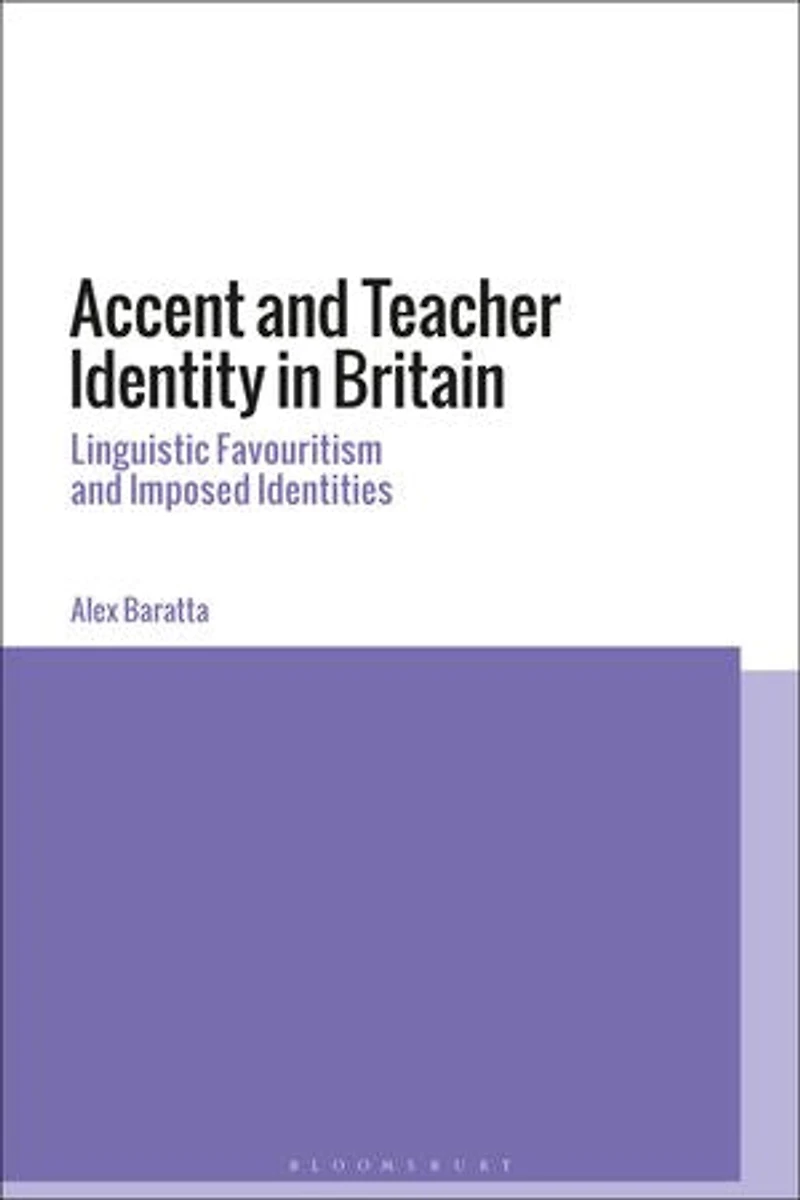
Accent and Teacher Identity Britain: Linguistic Favouritism Imposed Identities in Brampton, ON
Current price: $50.79
Original price: $63.45
Coles
Accent and Teacher Identity Britain: Linguistic Favouritism Imposed Identities in Brampton, ON
Current price: $50.79
Original price: $63.45
Loading Inventory...
Size: Kobo eBook
*Product information and pricing may vary - to confirm current pricing, availability, shipping, and return information please contact Coles. In the event of a pricing discrepancy, the retailer's price will apply.
In British society, we celebrate diversity and champion equality across many areas, such as race and religion. However, where do British accents stand? Do notions such as 'common' or 'posh' still exist regarding certain accents, to the extent that people are deemed fit, or not, for certain professions, despite their qualifications? Accent and Teacher Identity in Britain explores these questions and Alex Baratta's research shows that those with accents regional to the North and Midlands are most likely to be told by mentors and senior staff to essentially sound less regional, whereas those from the Home Counties are less likely to be given instructions to change their accent at all. Baratta investigates the notion of linguistic power, in terms of which accents appear to be favoured within the context of teacher training and from the perspective of teachers who feel they lack power in the construction of their linguistic teacher identity. He also questions modifying one's accent to meet someone else's standard for what is 'linguistically appropriate', in terms of how such a modified accent impact on personal identity. Is accent modification regarded by the individual neutrally or is it seen as 'selling out'?
In British society, we celebrate diversity and champion equality across many areas, such as race and religion. However, where do British accents stand? Do notions such as 'common' or 'posh' still exist regarding certain accents, to the extent that people are deemed fit, or not, for certain professions, despite their qualifications? Accent and Teacher Identity in Britain explores these questions and Alex Baratta's research shows that those with accents regional to the North and Midlands are most likely to be told by mentors and senior staff to essentially sound less regional, whereas those from the Home Counties are less likely to be given instructions to change their accent at all. Baratta investigates the notion of linguistic power, in terms of which accents appear to be favoured within the context of teacher training and from the perspective of teachers who feel they lack power in the construction of their linguistic teacher identity. He also questions modifying one's accent to meet someone else's standard for what is 'linguistically appropriate', in terms of how such a modified accent impact on personal identity. Is accent modification regarded by the individual neutrally or is it seen as 'selling out'?
You May Also Like











Find at Bramalea City Centre in Brampton, ON
Visit at Bramalea City Centre in Brampton, ON