



Gifting Made Simple
Give the Gift of ChoiceClick below to purchase a Bramalea City Centre eGift Card that can be used at participating retailers at Bramalea City Centre.Purchase HereHome
About Suffering: On Louise Glück
Coles
Loading Inventory...
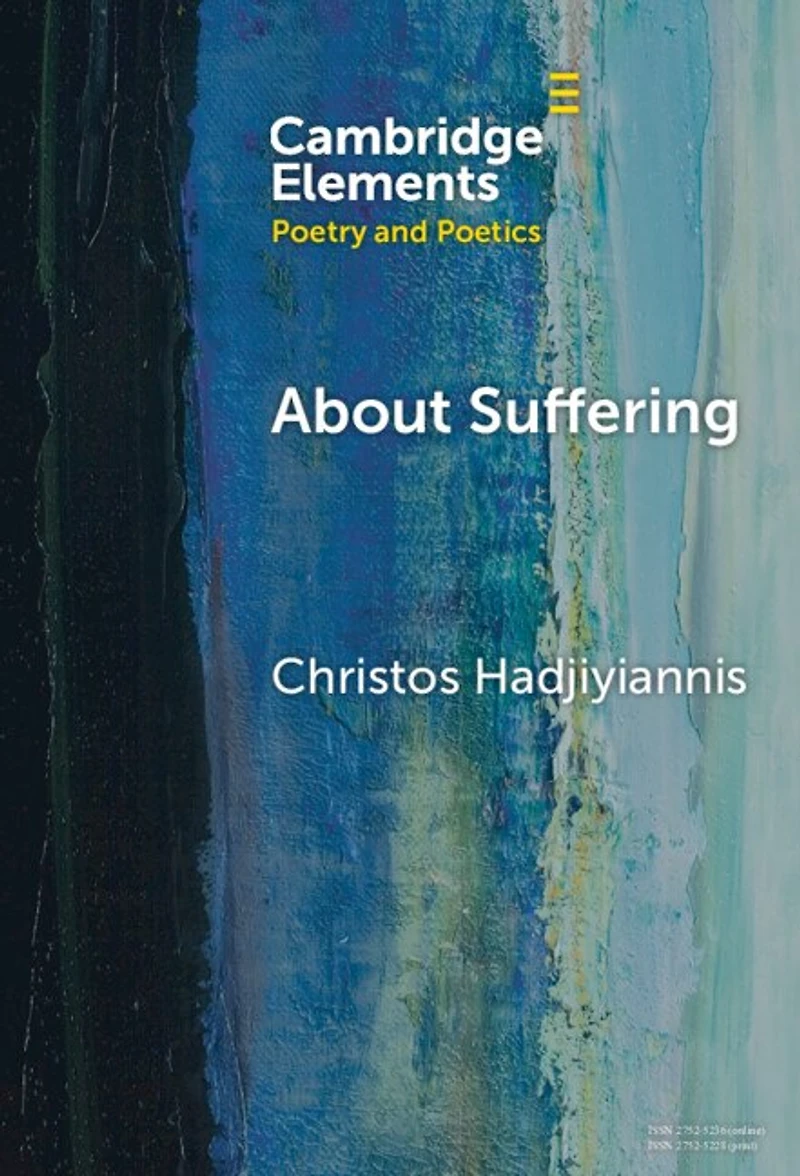
About Suffering: On Louise Glück in Brampton, ON
Current price: $94.73
Coles
About Suffering: On Louise Glück in Brampton, ON
Current price: $94.73
Loading Inventory...
Size: Hardcover
*Product information and pricing may vary - to confirm current pricing, availability, shipping, and return information please contact Coles. In the event of a pricing discrepancy, the retailer's price will apply.
Poetry has always courted suffering. Poets sing their suffering, we've been told, and there can be no poetry without suffering. Louise Glück wasn't too sure about that. Suffering features centrally in her poetry and she discussed its role in poetry in her critical writing, where she often retained the language of poetry as martyrdom. However, she was keen to stress that suffering's part in composition has been misplaced and misunderstood, its function idealised and fetishised. Surveying a wide range of texts about poetry's relationship to suffering, and drawing surprising links between very different voices, this book situates Glück both in the tradition of Rainer Maria Rilke's lyrical suffering and in the tradition of T. S. Eliot's impersonal approach to poetry. Glück's most powerful and characteristic discussion of suffering, it argues, takes place in her 1992 volume, The Wild Iris.
Poetry has always courted suffering. Poets sing their suffering, we've been told, and there can be no poetry without suffering. Louise Glück wasn't too sure about that. Suffering features centrally in her poetry and she discussed its role in poetry in her critical writing, where she often retained the language of poetry as martyrdom. However, she was keen to stress that suffering's part in composition has been misplaced and misunderstood, its function idealised and fetishised. Surveying a wide range of texts about poetry's relationship to suffering, and drawing surprising links between very different voices, this book situates Glück both in the tradition of Rainer Maria Rilke's lyrical suffering and in the tradition of T. S. Eliot's impersonal approach to poetry. Glück's most powerful and characteristic discussion of suffering, it argues, takes place in her 1992 volume, The Wild Iris.
You May Also Like
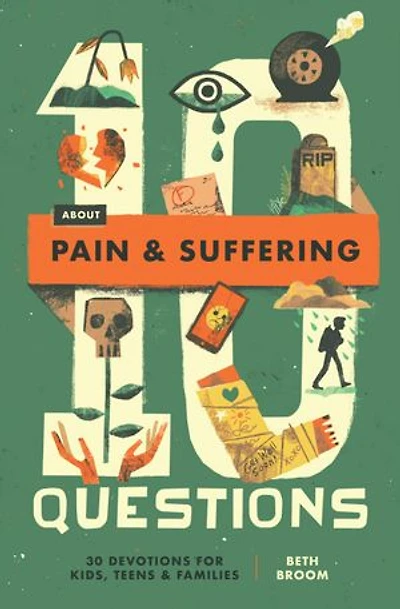
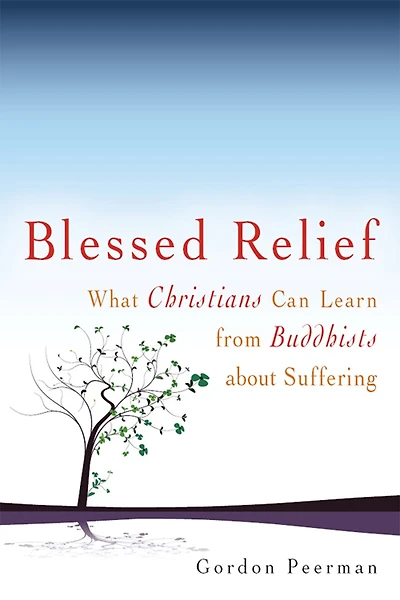








Find at Bramalea City Centre in Brampton, ON
Visit at Bramalea City Centre in Brampton, ON