



Gifting Made Simple
Give the Gift of ChoiceClick below to purchase a Bramalea City Centre eGift Card that can be used at participating retailers at Bramalea City Centre.Purchase HereHome
Aalto
Coles
Loading Inventory...
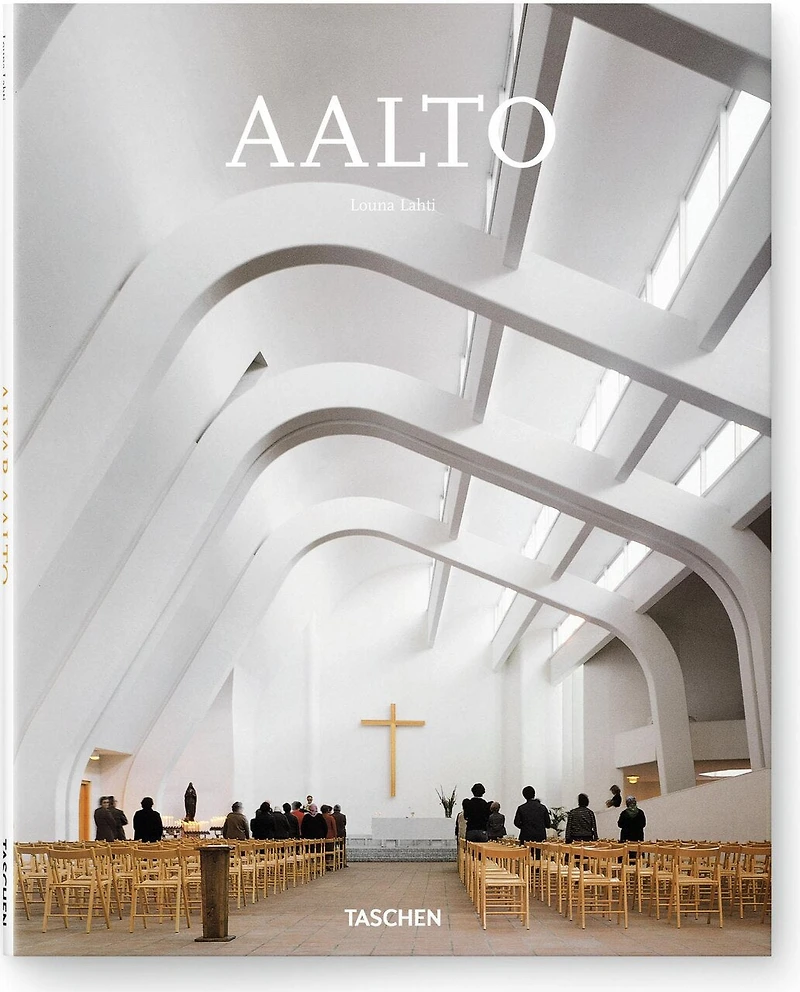
Aalto in Brampton, ON
By None
Current price: $19.00
Coles
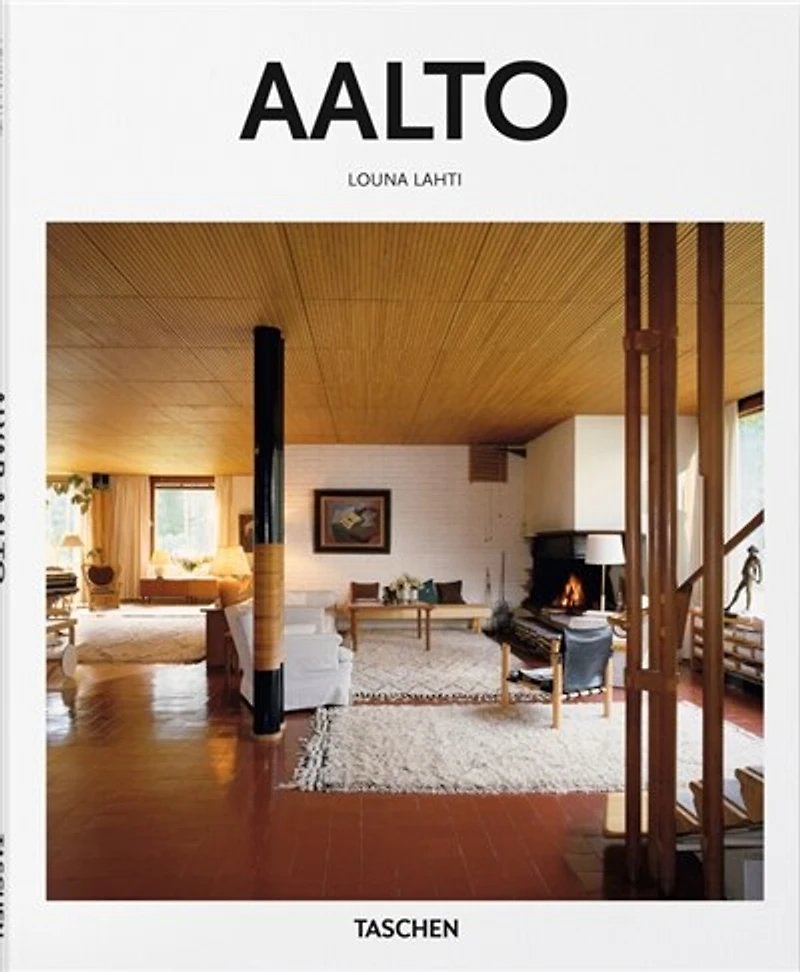
Aalto in Brampton, ON
By None
Current price: $19.00
Loading Inventory...
Size: Hardcover (2009)
*Product information and pricing may vary - to confirm current pricing, availability, shipping, and return information please contact Coles. In the event of a pricing discrepancy, the retailer's price will apply.
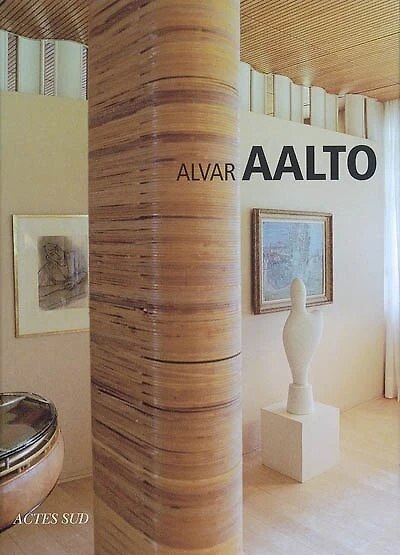
Alvar Aalto (1898–1976) made a unique modernist mark . Influenced by both the landscape and the political independence of his native Finland, he designed warm, curving, compassionate buildings, wholly set apart from the slick, mechanistic, geometric designs that characterized much contemporary European practice.
Whether a church, a villa, a sauna, or a public library, Aalto’s organic structures tended to replace plaster and steel with brick and wood, often incorporating undulating, wave-like forms , which would also appear in his chair, glassware, and lamp designs. An adherent to detail, Aalto insisted upon the humanity of his work stating: “Modern architecture does not mean using immature new materials; the main thing is to work with materials towards a more human line.”
Many of Aalto’s public buildings such as Säynätsalo Town Hall , the lecture theatre at Otaniemi Technical University , the Helsinki National Pensions Institute and the Helsinki House of Culture may be seen as psychological as well as physical landmarks in the rebuilding of Finland after the ravages of war.
Alvar Aalto (1898–1976) made a unique modernist mark . Influenced by both the landscape and the political independence of his native Finland, he designed warm, curving, compassionate buildings, wholly set apart from the slick, mechanistic, geometric designs that characterized much contemporary European practice.
Whether a church, a villa, a sauna, or a public library, Aalto’s organic structures tended to replace plaster and steel with brick and wood, often incorporating undulating, wave-like forms , which would also appear in his chair, glassware, and lamp designs. An adherent to detail, Aalto insisted upon the humanity of his work stating: “Modern architecture does not mean using immature new materials; the main thing is to work with materials towards a more human line.”
Many of Aalto’s public buildings such as Säynätsalo Town Hall , the lecture theatre at Otaniemi Technical University , the Helsinki National Pensions Institute and the Helsinki House of Culture may be seen as psychological as well as physical landmarks in the rebuilding of Finland after the ravages of war.
You May Also Like













More About Coles at Bramalea City Centre
Making Connections. Creating Experiences. We exist to add a little joy to our customers’ lives, each time they interact with us.
Store Info
Find Coles at Bramalea City Centre in Brampton, ON
Visit Coles at Bramalea City Centre in Brampton, ON