



Gifting Made Simple
Give the Gift of ChoiceClick below to purchase a Bramalea City Centre eGift Card that can be used at participating retailers at Bramalea City Centre.Purchase HereHome
A Vast Sea of Misery: History and Guide to the Union Confederate Field Hospitals at Gettysburg, July 1-November 20, 1863
Coles
Loading Inventory...
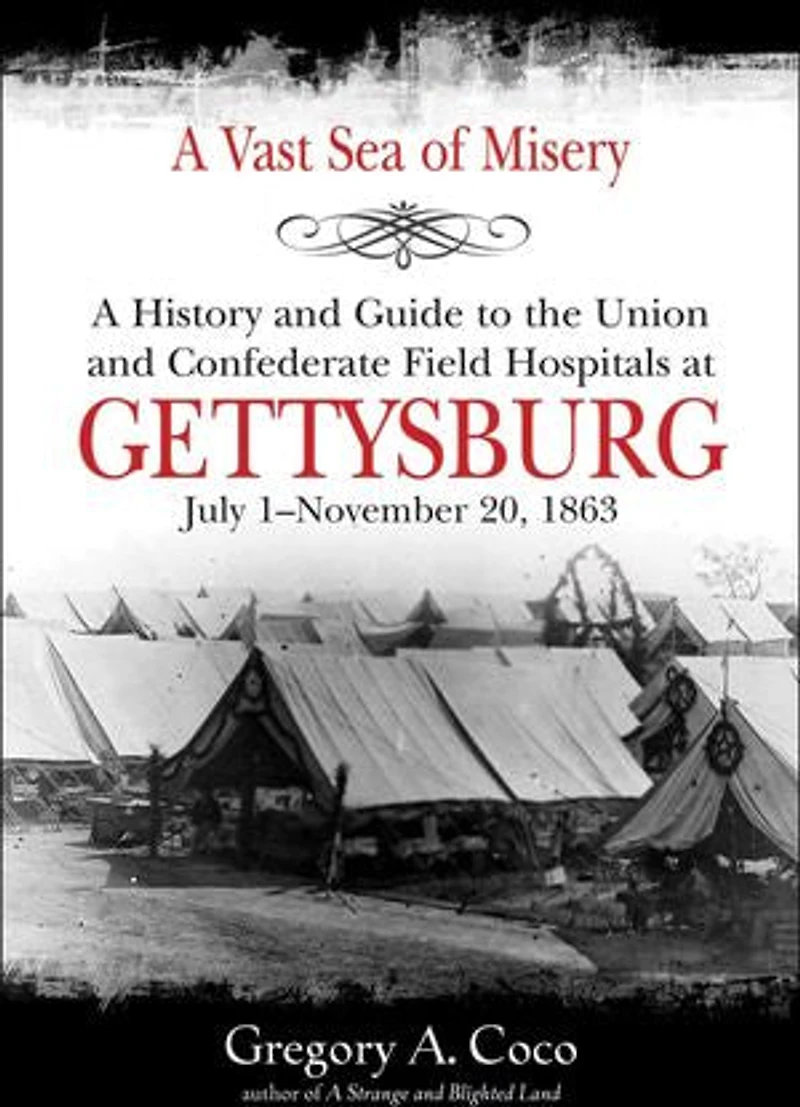
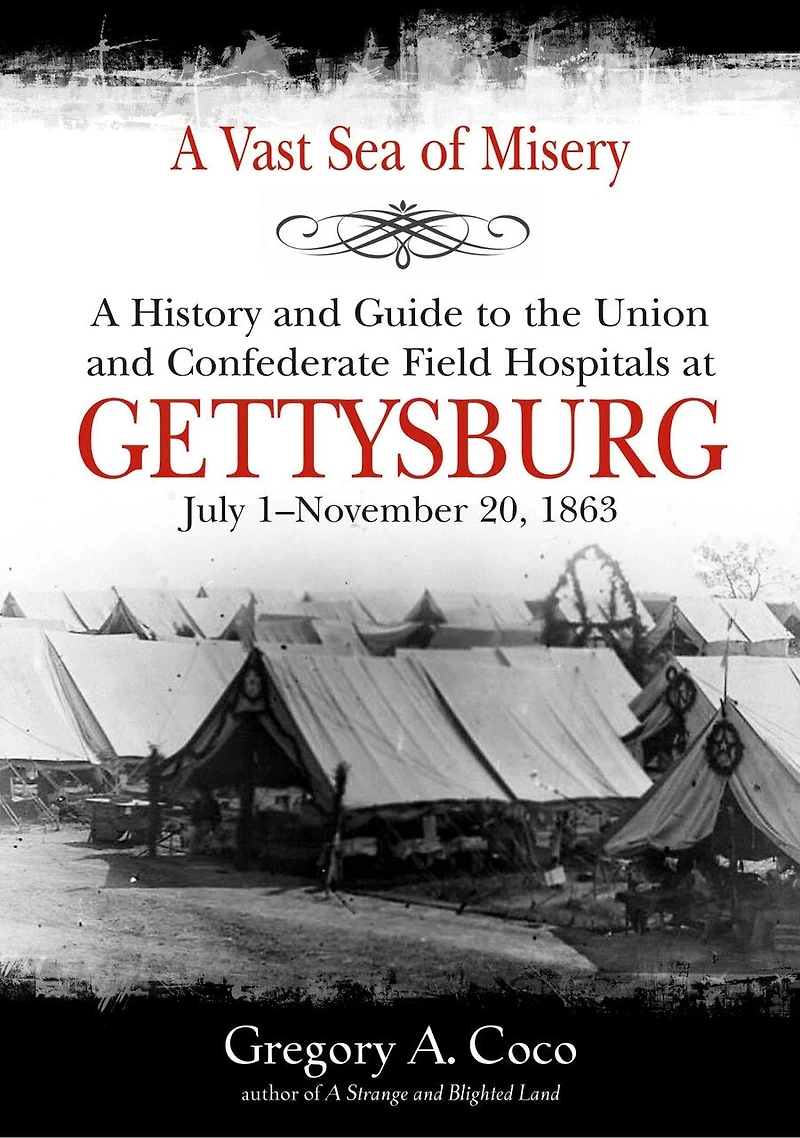
A Vast Sea of Misery: History and Guide to the Union Confederate Field Hospitals at Gettysburg, July 1-November 20, 1863 in Brampton, ON
Current price: $17.59
Original price: $21.99
Coles
A Vast Sea of Misery: History and Guide to the Union Confederate Field Hospitals at Gettysburg, July 1-November 20, 1863 in Brampton, ON
Current price: $17.59
Original price: $21.99
Loading Inventory...
Size: Kobo eBook
*Product information and pricing may vary - to confirm current pricing, availability, shipping, and return information please contact Coles. In the event of a pricing discrepancy, the retailer's price will apply.
Nearly 26,000 men were wounded in the three-day battle of Gettysburg (July 1-3, 1863). It didn't matter if the soldier wore blue or gray or was an officer or enlisted man, for bullets, shell fragments, bayonets, and swords made no class or sectional distinction. Almost 21,000 of the wounded were left behind by the two armies in and around the small town of 2,400 civilians. Most ended up being treated in makeshift medical facilities overwhelmed by the flood of injured. Many of these and their valiant efforts are covered in Greg Coco's A Vast Sea of Misery: A History and Guide to the Union and Confederate Field Hospitals at Gettysburg, July 1-November 20, 1863. The battle to save the wounded was nearly as terrible as the battle that placed them in such a perilous position. Once the fighting ended, the maimed and suffering warriors could be found in churches, public buildings, private homes, farmhouses, barns, and outbuildings. Thousands more, unreachable or unable to be moved remained in the open, subject to the uncertain whims of the July elements. As one surgeon unhappily recalled, "No written nor expressed language could ever picture the field of Gettysburg! Blood! blood! And tattered flesh! Shattered bones and mangled forms almost without the semblance of human beings!" Based upon years of firsthand research, Coco's A Vast Sea of Misery introduces readers to 160 of those frightful places called field hospitals. It is a sad journey you will never forget, and you won't feel quite the same about Gettysburg once you finish reading.
Nearly 26,000 men were wounded in the three-day battle of Gettysburg (July 1-3, 1863). It didn't matter if the soldier wore blue or gray or was an officer or enlisted man, for bullets, shell fragments, bayonets, and swords made no class or sectional distinction. Almost 21,000 of the wounded were left behind by the two armies in and around the small town of 2,400 civilians. Most ended up being treated in makeshift medical facilities overwhelmed by the flood of injured. Many of these and their valiant efforts are covered in Greg Coco's A Vast Sea of Misery: A History and Guide to the Union and Confederate Field Hospitals at Gettysburg, July 1-November 20, 1863. The battle to save the wounded was nearly as terrible as the battle that placed them in such a perilous position. Once the fighting ended, the maimed and suffering warriors could be found in churches, public buildings, private homes, farmhouses, barns, and outbuildings. Thousands more, unreachable or unable to be moved remained in the open, subject to the uncertain whims of the July elements. As one surgeon unhappily recalled, "No written nor expressed language could ever picture the field of Gettysburg! Blood! blood! And tattered flesh! Shattered bones and mangled forms almost without the semblance of human beings!" Based upon years of firsthand research, Coco's A Vast Sea of Misery introduces readers to 160 of those frightful places called field hospitals. It is a sad journey you will never forget, and you won't feel quite the same about Gettysburg once you finish reading.
You May Also Like














Find at Bramalea City Centre in Brampton, ON
Visit at Bramalea City Centre in Brampton, ON