



Gifting Made Simple
Give the Gift of ChoiceClick below to purchase a Bramalea City Centre eGift Card that can be used at participating retailers at Bramalea City Centre.Purchase HereHome
A Theory of Employment Systems: Micro-Foundations Societal Diversity
Coles
Loading Inventory...
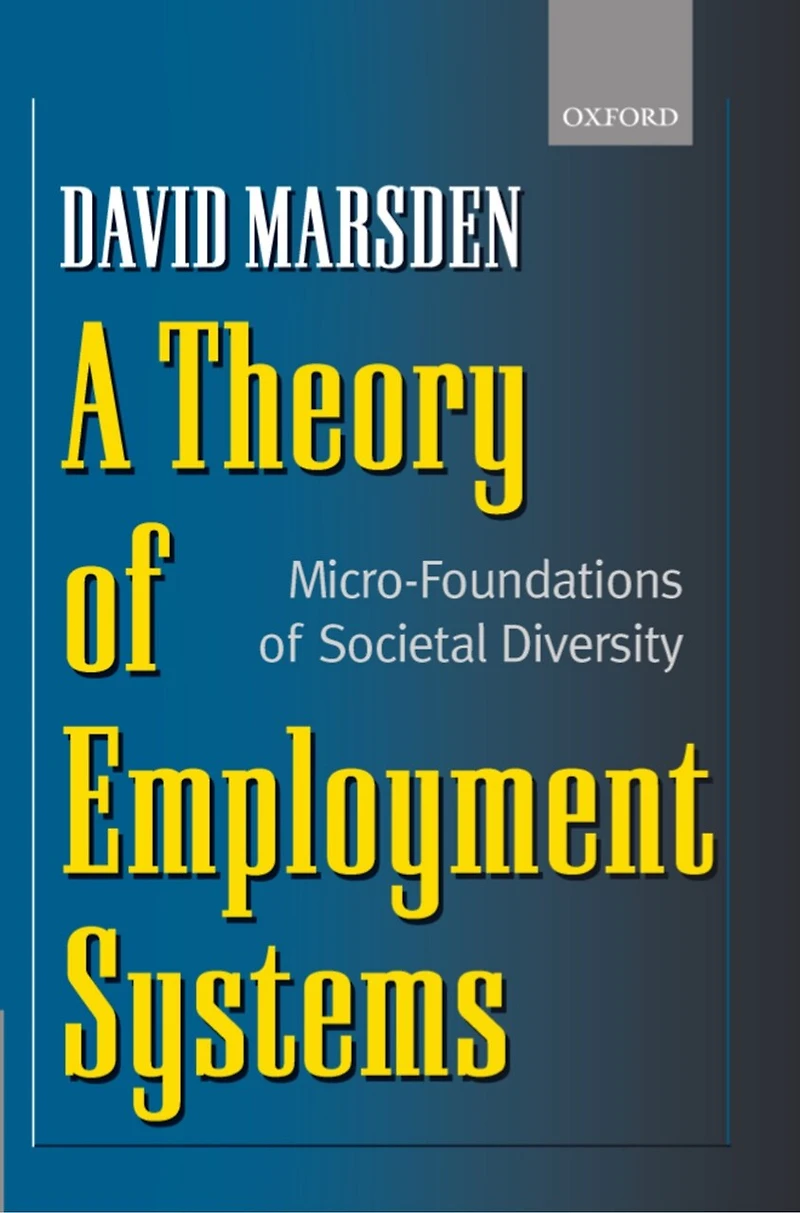
A Theory of Employment Systems: Micro-Foundations Societal Diversity in Brampton, ON
Current price: $405.00
Coles
A Theory of Employment Systems: Micro-Foundations Societal Diversity in Brampton, ON
Current price: $405.00
Loading Inventory...
Size: Hardcover
*Product information and pricing may vary - to confirm current pricing, availability, shipping, and return information please contact Coles. In the event of a pricing discrepancy, the retailer's price will apply.
A Theory of Employment Systems considers why there are such great international differences in the way employment relations are organized within the firm. Taking account of the growing evidence that international diversity is not being wiped out by ''globalization'', it sets out from the theory
of the firm first developed by Coase and Simon, and explains why firms and workers should use the employment relationship as the basis for their economic cooperation. The originality of the employment relationship lies in its flexibility. It gives managers the authority to organize work, but it also
establishes limits on employees'' obligations.
The author argues that these limits are provided by four basic types of employment rule. Which one predominates in a given environment is the source of international diversity in employment relations. Drawing upon evidence from the US, Japan, France, Germany, and Britain, the theory is extended to
show why such diversity extends deep into key areas of human resource management, such as performance management, incentive pay, and skill development. It also explains why the open-ended employment relationship continues to dominate work despite the growth of market-mediated work relations.
A Theory of Employment Systems considers why there are such great international differences in the way employment relations are organized within the firm. Taking account of the growing evidence that international diversity is not being wiped out by ''globalization'', it sets out from the theory
of the firm first developed by Coase and Simon, and explains why firms and workers should use the employment relationship as the basis for their economic cooperation. The originality of the employment relationship lies in its flexibility. It gives managers the authority to organize work, but it also
establishes limits on employees'' obligations.
The author argues that these limits are provided by four basic types of employment rule. Which one predominates in a given environment is the source of international diversity in employment relations. Drawing upon evidence from the US, Japan, France, Germany, and Britain, the theory is extended to
show why such diversity extends deep into key areas of human resource management, such as performance management, incentive pay, and skill development. It also explains why the open-ended employment relationship continues to dominate work despite the growth of market-mediated work relations.
You May Also Like














Find at Bramalea City Centre in Brampton, ON
Visit at Bramalea City Centre in Brampton, ON