



Gifting Made Simple
Give the Gift of ChoiceClick below to purchase a Bramalea City Centre eGift Card that can be used at participating retailers at Bramalea City Centre.Purchase HereHome
A Political Economy of Modernism: Literature, Post-Classical Economics, and the Lower Middle-Class
Coles
Loading Inventory...
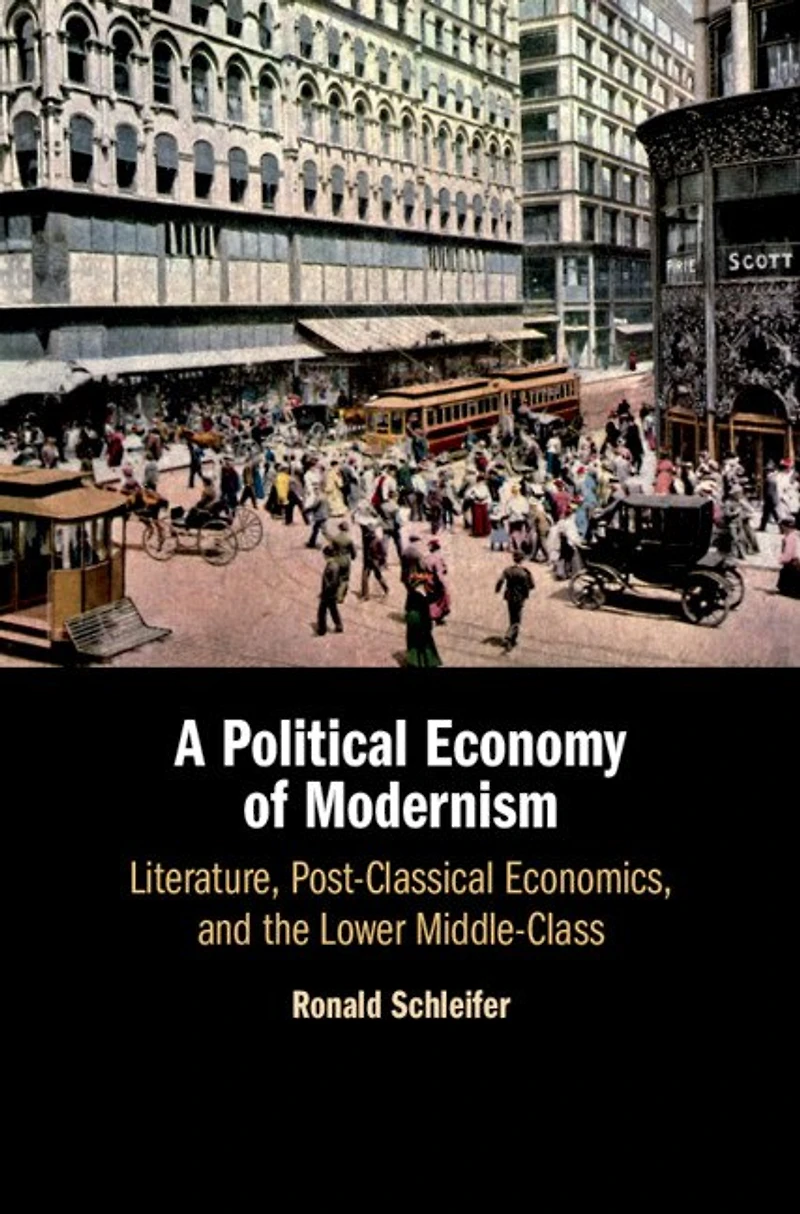
A Political Economy of Modernism: Literature, Post-Classical Economics, and the Lower Middle-Class in Brampton, ON
Current price: $152.95
Coles
A Political Economy of Modernism: Literature, Post-Classical Economics, and the Lower Middle-Class in Brampton, ON
Current price: $152.95
Loading Inventory...
Size: Hardcover
*Product information and pricing may vary - to confirm current pricing, availability, shipping, and return information please contact Coles. In the event of a pricing discrepancy, the retailer's price will apply.
In A Political Economy of Modernism, Ronald Schleifer examines the political economy of what he calls 'the culture of modernism' by focusing on literature and the arts; intellectual disciplines of post-classical economics; and institutional structures of corporate capitalism and the lower middle-class. In its wide ranging study focused on modernist writers (Dreiser, Hardy, Joyce, Stevens, Woolf, Wells, Wharton, Yeats), modernist artists (Cézanne, Picasso, Stravinsky, Schoenberg), economists (Jevons, Marshall, Veblen), and philosophers (Benjamin, Jakobson, Russell), this book presents an institutional history of cultural modernism in relation to the intellectual history of Enlightenment ethos and the social history of the second Industrial Revolution. It articulates a new method of analysis of the early twentieth century - configuration and modeling - that reveals close connections among its arts, understandings, and social organizations.
In A Political Economy of Modernism, Ronald Schleifer examines the political economy of what he calls 'the culture of modernism' by focusing on literature and the arts; intellectual disciplines of post-classical economics; and institutional structures of corporate capitalism and the lower middle-class. In its wide ranging study focused on modernist writers (Dreiser, Hardy, Joyce, Stevens, Woolf, Wells, Wharton, Yeats), modernist artists (Cézanne, Picasso, Stravinsky, Schoenberg), economists (Jevons, Marshall, Veblen), and philosophers (Benjamin, Jakobson, Russell), this book presents an institutional history of cultural modernism in relation to the intellectual history of Enlightenment ethos and the social history of the second Industrial Revolution. It articulates a new method of analysis of the early twentieth century - configuration and modeling - that reveals close connections among its arts, understandings, and social organizations.
You May Also Like









Find at Bramalea City Centre in Brampton, ON
Visit at Bramalea City Centre in Brampton, ON