



Gifting Made Simple
Give the Gift of ChoiceClick below to purchase a Bramalea City Centre eGift Card that can be used at participating retailers at Bramalea City Centre.Purchase HereHome
A Poetics of Postcolonial Biblical Criticism: God, Human-Nature Relationship, and Negritude
Coles
Loading Inventory...
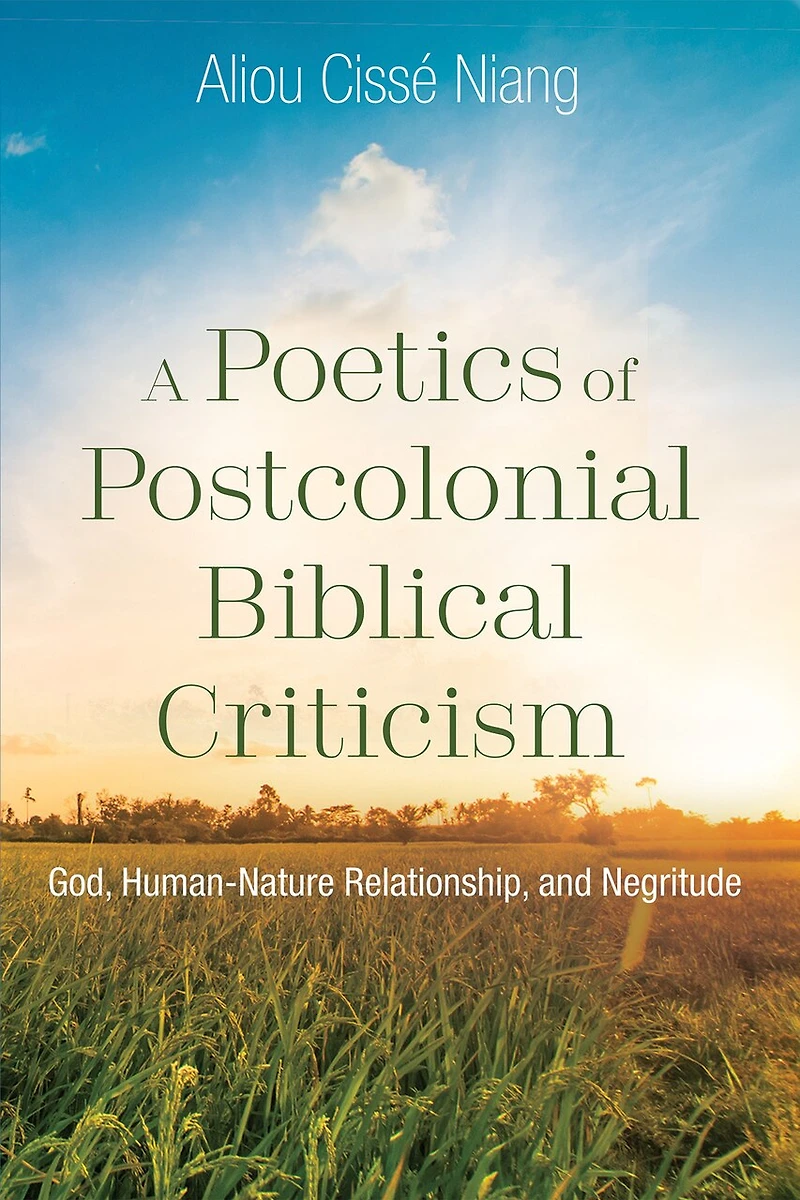
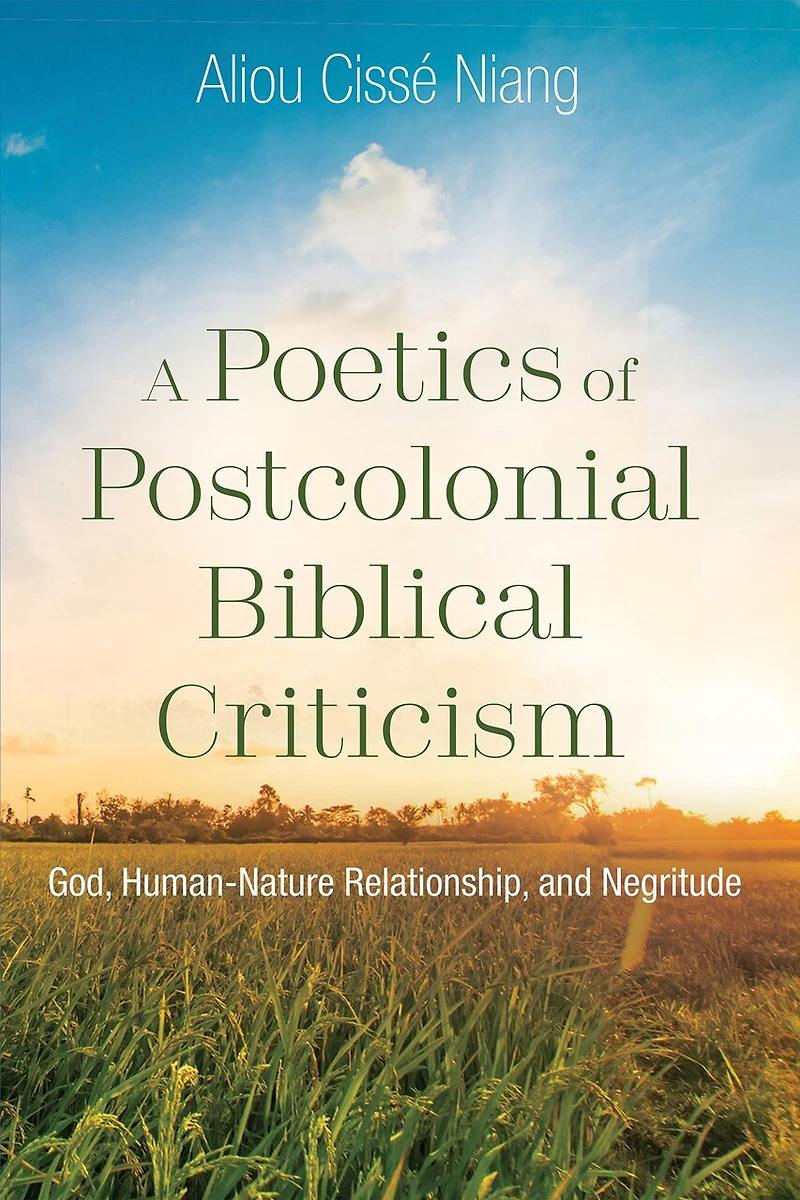
A Poetics of Postcolonial Biblical Criticism: God, Human-Nature Relationship, and Negritude in Brampton, ON
Current price: $68.00
Coles
A Poetics of Postcolonial Biblical Criticism: God, Human-Nature Relationship, and Negritude in Brampton, ON
Current price: $68.00
Loading Inventory...
Size: Hardcover
*Product information and pricing may vary - to confirm current pricing, availability, shipping, and return information please contact Coles. In the event of a pricing discrepancy, the retailer's price will apply.
Telling in current biblical postcolonial discourse that draws insights from the works of Aime Cesaire, Frantz Fanon, and postcolonial theorists is the missing contribution of Leopold Sedar Senghor, the architect of Negritude. If mentioned at all, Senghor is often read through conclusions drawn by his critics or dismissed altogether as irrelevant to postcolonialism. Restored to its rightful place, Senghorian Negritude is a postcolonial lens for reading Scripture and other faith traditions with a view to reposition, conscientize, liberate, and rehabilitate the conquered, and enable them to reclaim their faith traditions and practices that once directed a mutual relationship between God, human, and nature--a delicate symbiosis before the French colonial advent in West Africa. A keen eye for cross-cultural analysis and contextualization enriched this volume with an intriguing reading of scripture, Ancient Near Eastern and Greco-Roman texts in conversation with other faith traditions, particularly Senegalese Diola Religion. As a Poetics of Postcolonial Biblical Criticism, Negritude is an optic through which people of faith may look around themselves, critically reread their sacred texts, reassess their vocation, and practice mutuality with God and nature on the heels of chilling climate change. Enshrined in this innovative argument is a call for introspection and challenge for people of faith to assume their vocation--human participatory agency.
Telling in current biblical postcolonial discourse that draws insights from the works of Aime Cesaire, Frantz Fanon, and postcolonial theorists is the missing contribution of Leopold Sedar Senghor, the architect of Negritude. If mentioned at all, Senghor is often read through conclusions drawn by his critics or dismissed altogether as irrelevant to postcolonialism. Restored to its rightful place, Senghorian Negritude is a postcolonial lens for reading Scripture and other faith traditions with a view to reposition, conscientize, liberate, and rehabilitate the conquered, and enable them to reclaim their faith traditions and practices that once directed a mutual relationship between God, human, and nature--a delicate symbiosis before the French colonial advent in West Africa. A keen eye for cross-cultural analysis and contextualization enriched this volume with an intriguing reading of scripture, Ancient Near Eastern and Greco-Roman texts in conversation with other faith traditions, particularly Senegalese Diola Religion. As a Poetics of Postcolonial Biblical Criticism, Negritude is an optic through which people of faith may look around themselves, critically reread their sacred texts, reassess their vocation, and practice mutuality with God and nature on the heels of chilling climate change. Enshrined in this innovative argument is a call for introspection and challenge for people of faith to assume their vocation--human participatory agency.











Find at Bramalea City Centre in Brampton, ON
Visit at Bramalea City Centre in Brampton, ON