



Gifting Made Simple
Give the Gift of ChoiceClick below to purchase a Bramalea City Centre eGift Card that can be used at participating retailers at Bramalea City Centre.Purchase HereHome
A Perspective On Post-cardiac Arrest Syndrome
Coles
Loading Inventory...
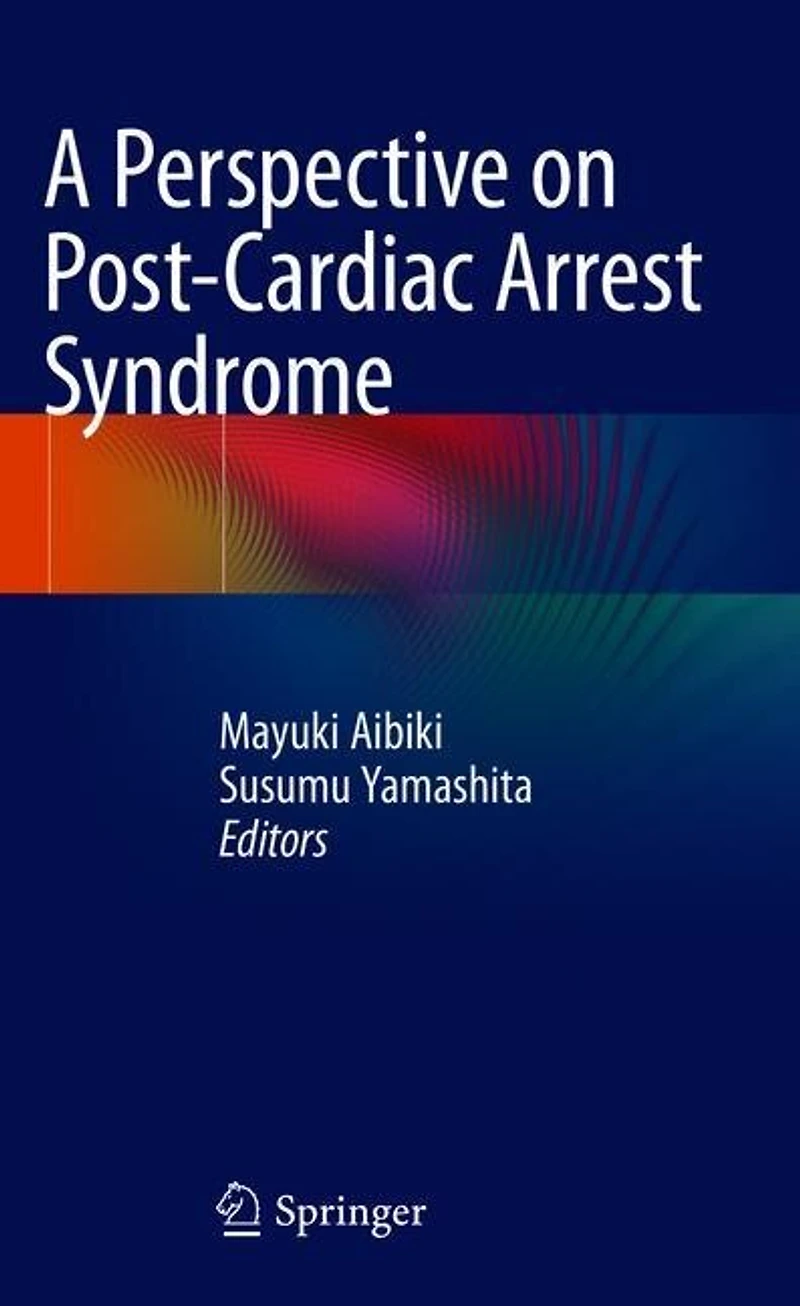
A Perspective On Post-cardiac Arrest Syndrome in Brampton, ON
Current price: $160.95
Coles
A Perspective On Post-cardiac Arrest Syndrome in Brampton, ON
Current price: $160.95
Loading Inventory...
Size: Hardcover
*Product information and pricing may vary - to confirm current pricing, availability, shipping, and return information please contact Coles. In the event of a pricing discrepancy, the retailer's price will apply.
This book presents a valuable new perspective on Post-Cardiac Arrest Syndrome (PCAS), which was defined as system failure following whole-body ischemia-reperfusion injuries by the 2008 International Liaison Committee on Resuscitation. Recently, improving the survival rate of PCAS has become a major priority all over the world. A Perspective on Post-Cardiac Arrest Syndrome addresses various aspects, including: neurological outcomes in non-convulsive status epilepticus, target temperature management, interventions for PCAS after acute coronary syndrome, the significance of measuring lactate clearance, a specific scoring system in prognostication for PCAS, therapeutic indications for suicide hanging cases. This book will help a broad readership, including emergency physicians, intensivists, cardiologists and neurologists treating PCAS patients, to understand the history, current issues and future challenges in PCAS, presented by respected experts in this field.
This book presents a valuable new perspective on Post-Cardiac Arrest Syndrome (PCAS), which was defined as system failure following whole-body ischemia-reperfusion injuries by the 2008 International Liaison Committee on Resuscitation. Recently, improving the survival rate of PCAS has become a major priority all over the world. A Perspective on Post-Cardiac Arrest Syndrome addresses various aspects, including: neurological outcomes in non-convulsive status epilepticus, target temperature management, interventions for PCAS after acute coronary syndrome, the significance of measuring lactate clearance, a specific scoring system in prognostication for PCAS, therapeutic indications for suicide hanging cases. This book will help a broad readership, including emergency physicians, intensivists, cardiologists and neurologists treating PCAS patients, to understand the history, current issues and future challenges in PCAS, presented by respected experts in this field.
You May Also Like










Find at Bramalea City Centre in Brampton, ON
Visit at Bramalea City Centre in Brampton, ON