



Gifting Made Simple
Give the Gift of ChoiceClick below to purchase a Bramalea City Centre eGift Card that can be used at participating retailers at Bramalea City Centre.Purchase HereHome
A New Approach to Chinese Tang Dynasty Poetry Translation: From Chinese Rap To Peking Opera
Coles
Loading Inventory...
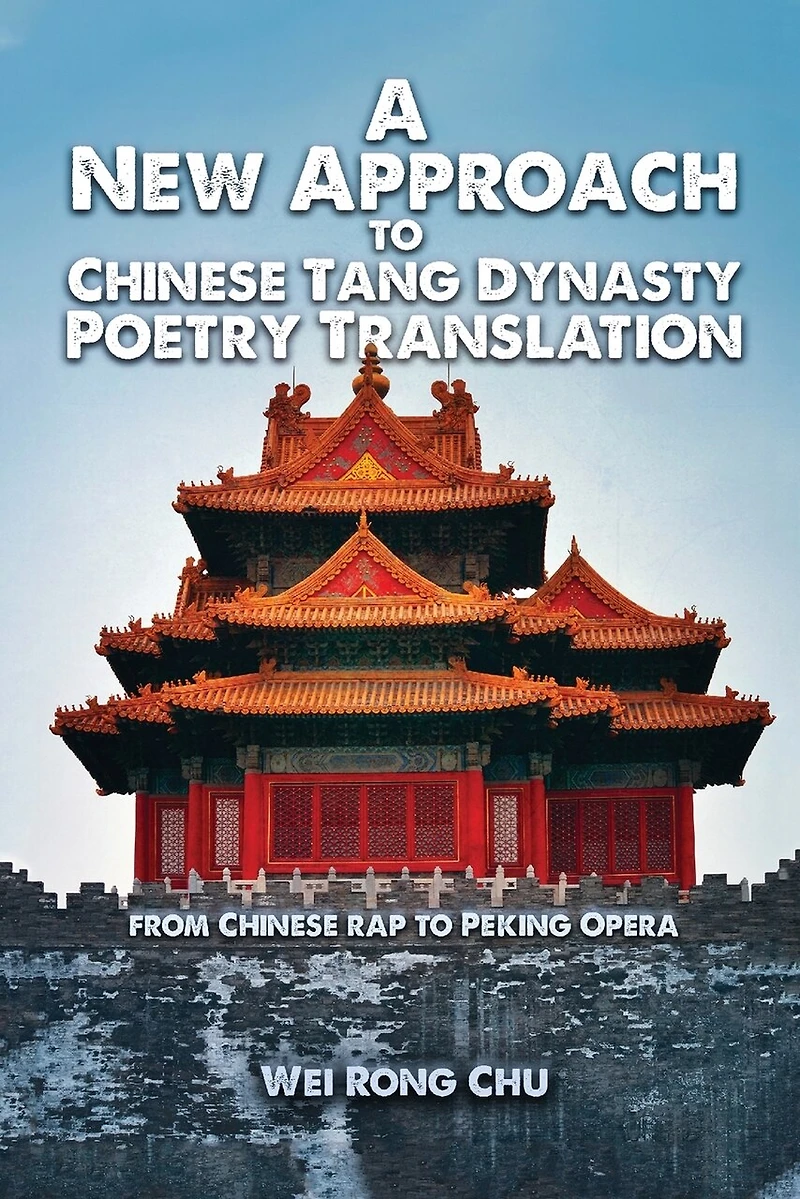
A New Approach to Chinese Tang Dynasty Poetry Translation: From Chinese Rap To Peking Opera in Brampton, ON
Current price: $20.99
Coles
A New Approach to Chinese Tang Dynasty Poetry Translation: From Chinese Rap To Peking Opera in Brampton, ON
Current price: $20.99
Loading Inventory...
Size: Paperback
*Product information and pricing may vary - to confirm current pricing, availability, shipping, and return information please contact Coles. In the event of a pricing discrepancy, the retailer's price will apply.
In this innovative work, Professor Wei Rong Chu transforms the translation of Chinese Tang Dynasty poetry. Comparing well-known scholars' translations with his own, Wei rong has introduced 50 new renditions that preserve the original rhythmic patterns and Chinese flavor. Unlike traditional translations that prioritize end-rhyme, Chu's approach ensures the rhythmic flow aligns with various musical scores. His translations have been successfully performed by the NY Classical Chinese Poetry Arts Association, where he serves as Chairman.
The book includes an appendix with local Chinese newspaper reports on bilingual concerts and a notable performance of a Tang poem sung in English in the Peking Opera style. Additionally, around 20 bilingual translations set to different musical notes are provided for reference, practice, and performance.
Ideal for scholars, students, and poetry enthusiasts, this book offers a fresh perspective on translating and performing Tang Dynasty poetry.
In this innovative work, Professor Wei Rong Chu transforms the translation of Chinese Tang Dynasty poetry. Comparing well-known scholars' translations with his own, Wei rong has introduced 50 new renditions that preserve the original rhythmic patterns and Chinese flavor. Unlike traditional translations that prioritize end-rhyme, Chu's approach ensures the rhythmic flow aligns with various musical scores. His translations have been successfully performed by the NY Classical Chinese Poetry Arts Association, where he serves as Chairman.
The book includes an appendix with local Chinese newspaper reports on bilingual concerts and a notable performance of a Tang poem sung in English in the Peking Opera style. Additionally, around 20 bilingual translations set to different musical notes are provided for reference, practice, and performance.
Ideal for scholars, students, and poetry enthusiasts, this book offers a fresh perspective on translating and performing Tang Dynasty poetry.
You May Also Like








Find at Bramalea City Centre in Brampton, ON
Visit at Bramalea City Centre in Brampton, ON