



Gifting Made Simple
Give the Gift of ChoiceClick below to purchase a Bramalea City Centre eGift Card that can be used at participating retailers at Bramalea City Centre.Purchase HereHome
A New Approach to Addiction and Choice: Akrasia the Nature of Free Will
Coles
Loading Inventory...
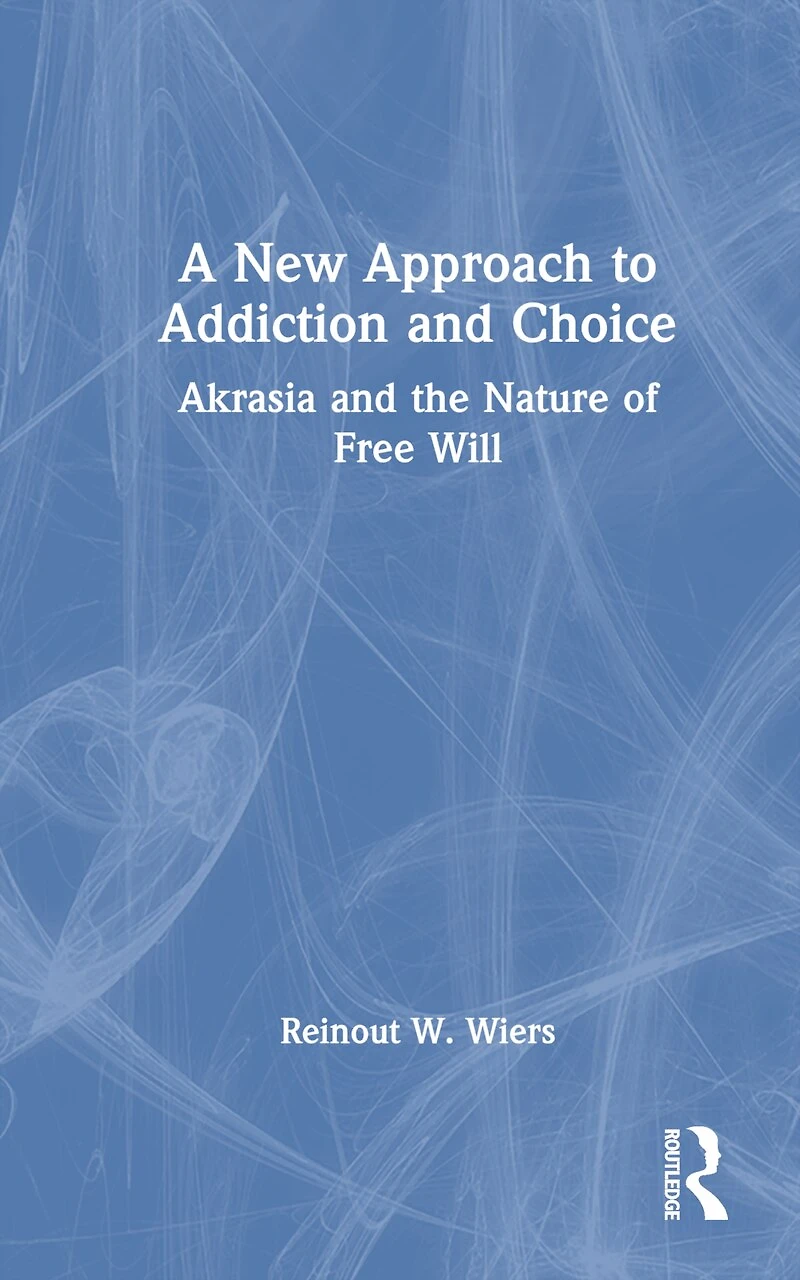
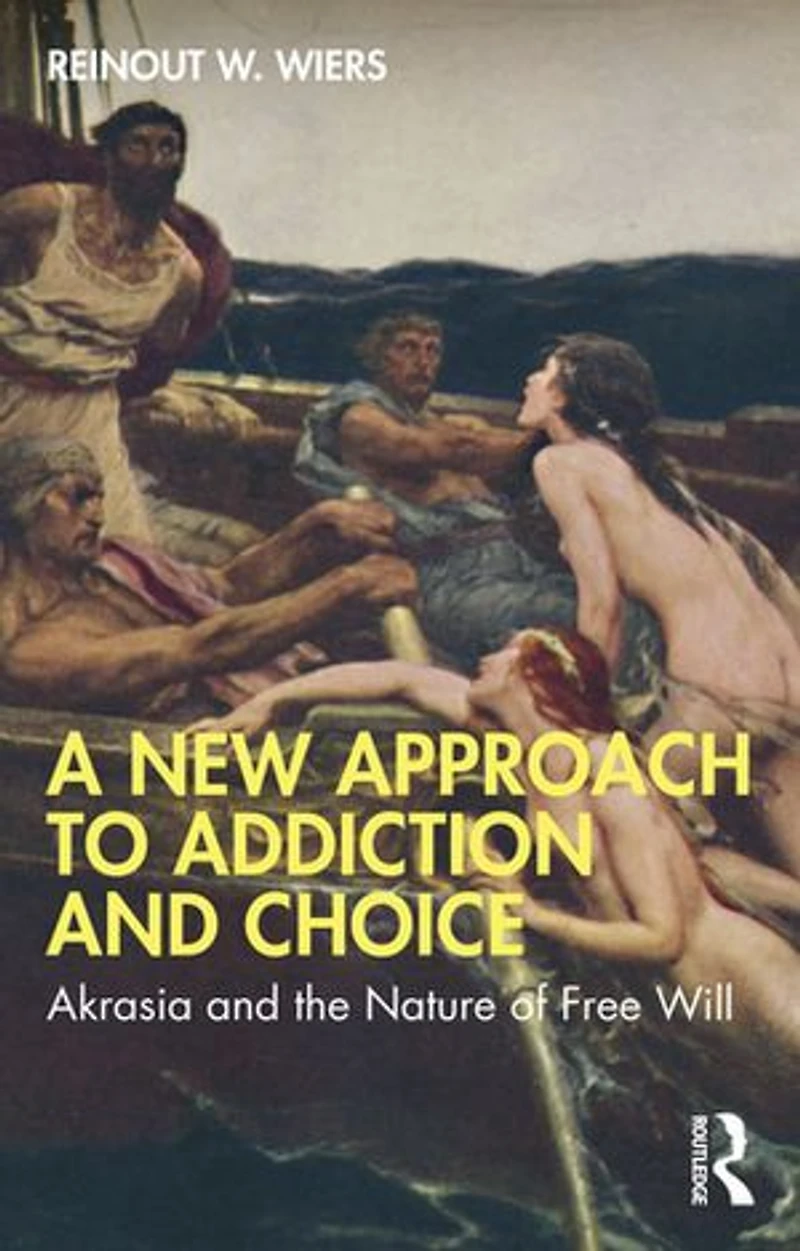
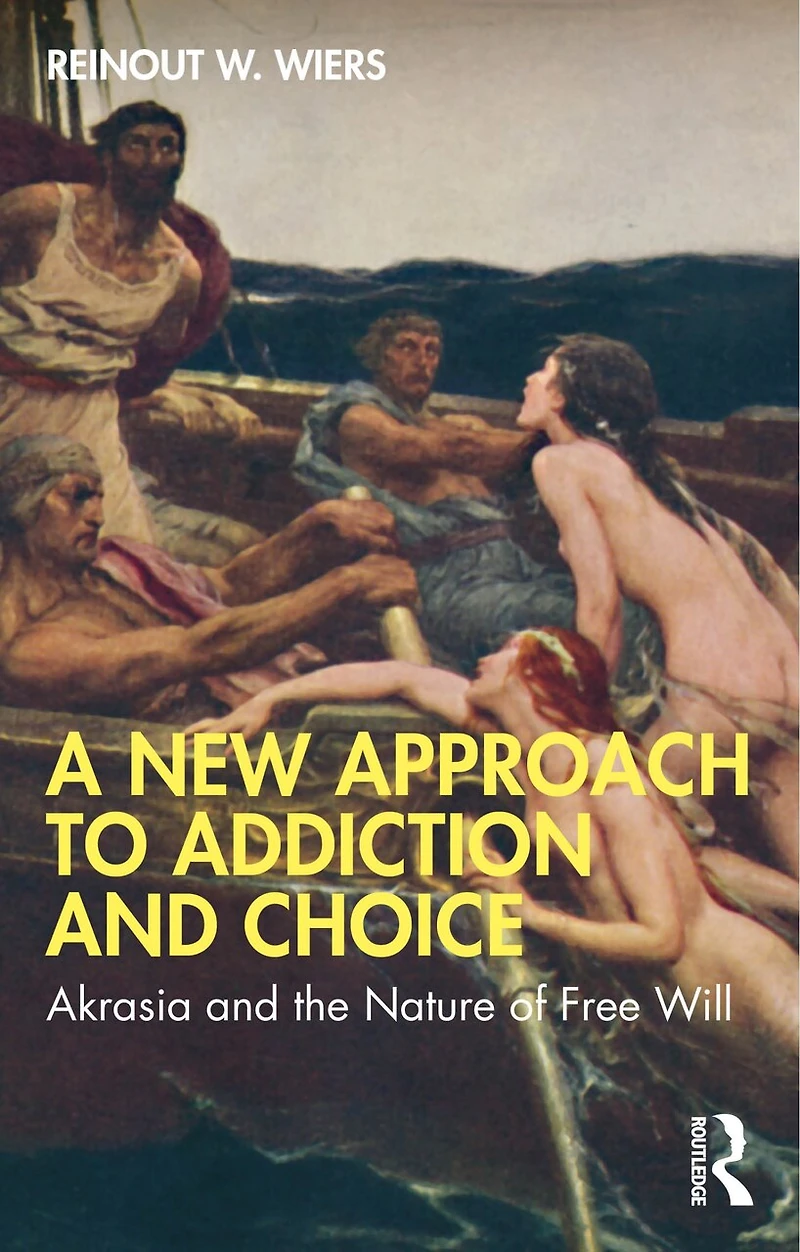
A New Approach to Addiction and Choice: Akrasia the Nature of Free Will in Brampton, ON
Current price: $266.50
Coles
A New Approach to Addiction and Choice: Akrasia the Nature of Free Will in Brampton, ON
Current price: $266.50
Loading Inventory...
Size: Hardcover
*Product information and pricing may vary - to confirm current pricing, availability, shipping, and return information please contact Coles. In the event of a pricing discrepancy, the retailer's price will apply.
This engaging book provides a novel examination of the nature of addiction, suggesting that by exploring akrasia-the tendency to act against one's better judgement-we can better understand our addictive behaviors. It offers an alternative to the dominant biomedical model of addiction as a chronic brain disease by looking at the nature of how we make decisions and proposing the idea that biased choice is central to addiction. The book looks at both classic substance use disorders and newer "addictions" to smartphones, meat and fossil fuels. It discusses current perspectives on free will in philosophy, psychology and neuroscience, and the questions surrounding free will versus determinism, including our ability to steer our behaviors guided by the promise of future outcomes. Different perspectives on addiction and choice are presented in an eloquent style, and illustrated by personal stories. Through a lively discussion of the key scientific and philosophical issues surrounding addiction, this book is valuable for students in psychology, criminology, sociology and social work, as well as health care professionals and general readers interested in the nature of our free will.
This engaging book provides a novel examination of the nature of addiction, suggesting that by exploring akrasia-the tendency to act against one's better judgement-we can better understand our addictive behaviors. It offers an alternative to the dominant biomedical model of addiction as a chronic brain disease by looking at the nature of how we make decisions and proposing the idea that biased choice is central to addiction. The book looks at both classic substance use disorders and newer "addictions" to smartphones, meat and fossil fuels. It discusses current perspectives on free will in philosophy, psychology and neuroscience, and the questions surrounding free will versus determinism, including our ability to steer our behaviors guided by the promise of future outcomes. Different perspectives on addiction and choice are presented in an eloquent style, and illustrated by personal stories. Through a lively discussion of the key scientific and philosophical issues surrounding addiction, this book is valuable for students in psychology, criminology, sociology and social work, as well as health care professionals and general readers interested in the nature of our free will.
You May Also Like









Find at Bramalea City Centre in Brampton, ON
Visit at Bramalea City Centre in Brampton, ON