



Gifting Made Simple
Give the Gift of ChoiceClick below to purchase a Bramalea City Centre eGift Card that can be used at participating retailers at Bramalea City Centre.Purchase HereHome
A Miracle Creed: The Principle of Optimality Leibniz's Physics and Philosophy
Coles
Loading Inventory...
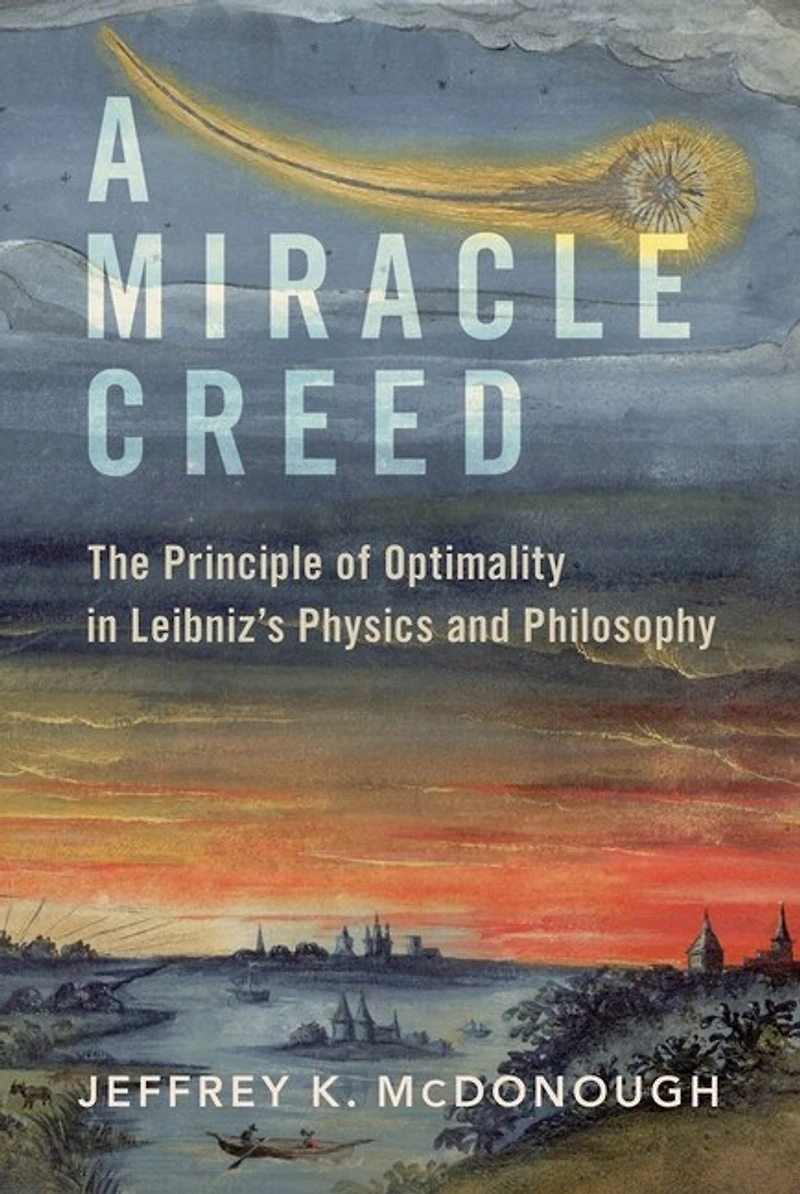
A Miracle Creed: The Principle of Optimality Leibniz's Physics and Philosophy in Brampton, ON
Current price: $81.50
Coles
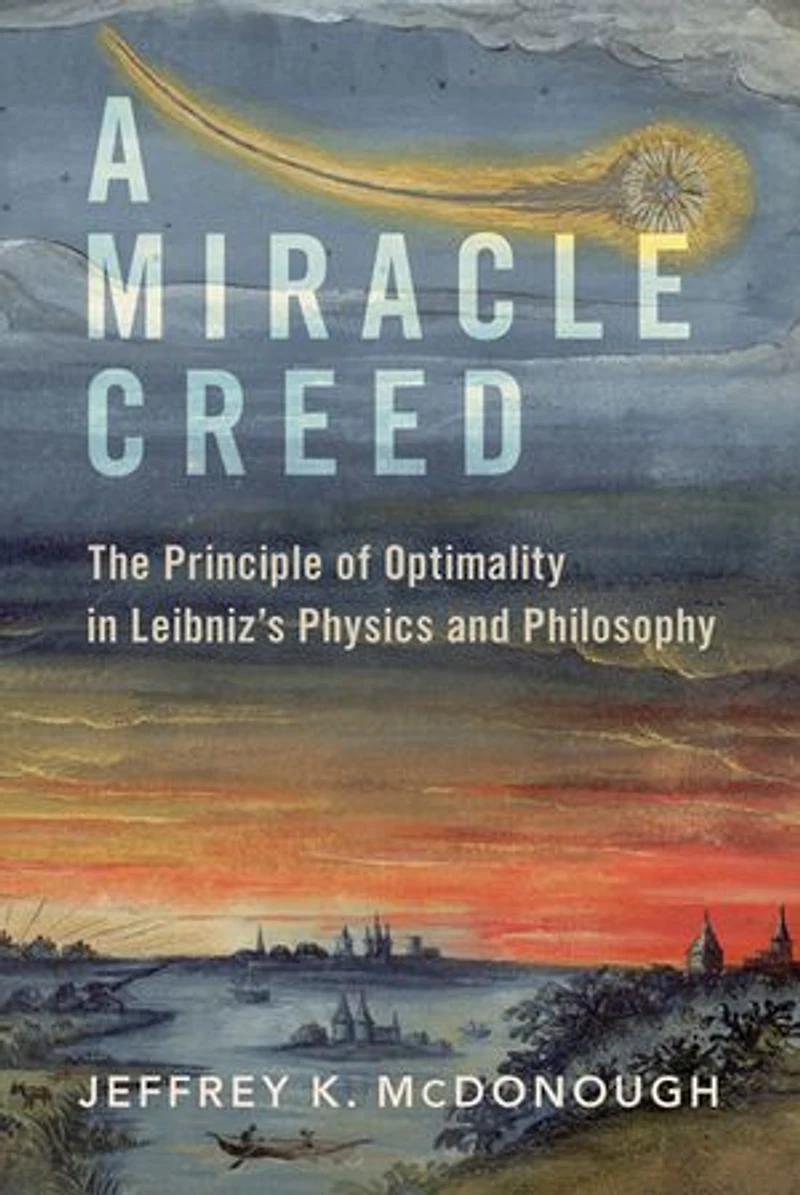
A Miracle Creed: The Principle of Optimality Leibniz's Physics and Philosophy in Brampton, ON
Current price: $81.50
Loading Inventory...
Size: Hardcover
*Product information and pricing may vary - to confirm current pricing, availability, shipping, and return information please contact Coles. In the event of a pricing discrepancy, the retailer's price will apply.
A rival to Isaac Newton in mathematics and physics, Gottfried Wilhelm Leibniz believed that our world - the best of all possible worlds - must be governed by a principle of optimality. This book explores Leibniz's pursuit of optimality in five of his most important works in natural philosophy and shows how his principle of optimality bridges his scientific and philosophical studies. The first chapter explores Leibniz's work on the laws of optics and its implications for his defense of natural teleology. The second chapter examines Leibniz's work on the breaking strength of rigid beams and its implications for his thinking about the metaphysical foundations of the material world. The third chapter revisits Leibniz's famous defense of the conservation of vis viva and proposes a novel account of the origin of Leibniz's mature natural philosophy. The fourth chapter takes up Leibniz's efforts to determine the shape of freely hanging chains - the so-called problem of the catenary - and shows how that work provides an illuminating model for his thinking about the teleological structure of wills. Finally, the fifth chapter uses Leibniz's derivation of the path of quickest descent - his solution to the so-called problem of the Brachistochrone - and its historical context as a springboard for an exploration of the legacy of Leibniz's physics. The book closes with a brief discussion of the systematicity of Leibniz's thinking in philosophy and the natural sciences.
A rival to Isaac Newton in mathematics and physics, Gottfried Wilhelm Leibniz believed that our world - the best of all possible worlds - must be governed by a principle of optimality. This book explores Leibniz's pursuit of optimality in five of his most important works in natural philosophy and shows how his principle of optimality bridges his scientific and philosophical studies. The first chapter explores Leibniz's work on the laws of optics and its implications for his defense of natural teleology. The second chapter examines Leibniz's work on the breaking strength of rigid beams and its implications for his thinking about the metaphysical foundations of the material world. The third chapter revisits Leibniz's famous defense of the conservation of vis viva and proposes a novel account of the origin of Leibniz's mature natural philosophy. The fourth chapter takes up Leibniz's efforts to determine the shape of freely hanging chains - the so-called problem of the catenary - and shows how that work provides an illuminating model for his thinking about the teleological structure of wills. Finally, the fifth chapter uses Leibniz's derivation of the path of quickest descent - his solution to the so-called problem of the Brachistochrone - and its historical context as a springboard for an exploration of the legacy of Leibniz's physics. The book closes with a brief discussion of the systematicity of Leibniz's thinking in philosophy and the natural sciences.
You May Also Like











Find at Bramalea City Centre in Brampton, ON
Visit at Bramalea City Centre in Brampton, ON