



Gifting Made Simple
Give the Gift of ChoiceClick below to purchase a Bramalea City Centre eGift Card that can be used at participating retailers at Bramalea City Centre.Purchase HereHome
A Luna Moth's Life
Coles
Loading Inventory...
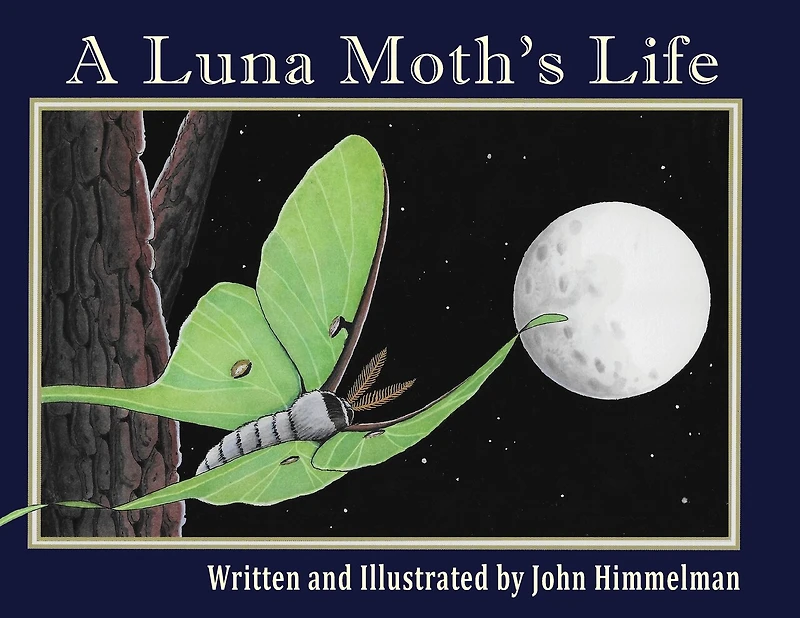
A Luna Moth's Life in Brampton, ON
Current price: $19.50
Coles
A Luna Moth's Life in Brampton, ON
Current price: $19.50
Loading Inventory...
Size: Large Print
*Product information and pricing may vary - to confirm current pricing, availability, shipping, and return information please contact Coles. In the event of a pricing discrepancy, the retailer's price will apply.
Have you ever wondered how some of nature's smallest creatures spend their days? Here's your chance to take a scientifically accurate peek into the life of the luna moth ( Actias luna ). Striking illustrations and lively storyline capture the real life changes for this small animal as it hunts for food, faces its enemies, and interacts with humans.
The luna moth is found in forested areas throughout the eastern United States and southwestern Canada. The caterpillars eat the leaves of white birch, walnut, and hickory trees. The adult luna moth comes out of its cocoon in the late spring or early summer in the north. In the south, the moth can come out at any time of the year. As a result, up to three generations of lunas can live in one year. Adults die within a week of mating. They do not have working mouthparts, so they do not eat. Their energy comes from the leaves they fed upon while in the caterpillar stage. The name "luna" means "moon" in Latin. The moth was named after the moon because it is a creature of night. The two long tails are said to aid in making it difficult for bats to target them with their sonar. Luna moths are often attracted to bright lights. Be sure to look for them around outdoor lights.
Have you ever wondered how some of nature's smallest creatures spend their days? Here's your chance to take a scientifically accurate peek into the life of the luna moth ( Actias luna ). Striking illustrations and lively storyline capture the real life changes for this small animal as it hunts for food, faces its enemies, and interacts with humans.
The luna moth is found in forested areas throughout the eastern United States and southwestern Canada. The caterpillars eat the leaves of white birch, walnut, and hickory trees. The adult luna moth comes out of its cocoon in the late spring or early summer in the north. In the south, the moth can come out at any time of the year. As a result, up to three generations of lunas can live in one year. Adults die within a week of mating. They do not have working mouthparts, so they do not eat. Their energy comes from the leaves they fed upon while in the caterpillar stage. The name "luna" means "moon" in Latin. The moth was named after the moon because it is a creature of night. The two long tails are said to aid in making it difficult for bats to target them with their sonar. Luna moths are often attracted to bright lights. Be sure to look for them around outdoor lights.
You May Also Like














Find at Bramalea City Centre in Brampton, ON
Visit at Bramalea City Centre in Brampton, ON