



Gifting Made Simple
Give the Gift of ChoiceClick below to purchase a Bramalea City Centre eGift Card that can be used at participating retailers at Bramalea City Centre.Purchase HereHome
A History of the Scottish Labour Party
Coles
Loading Inventory...
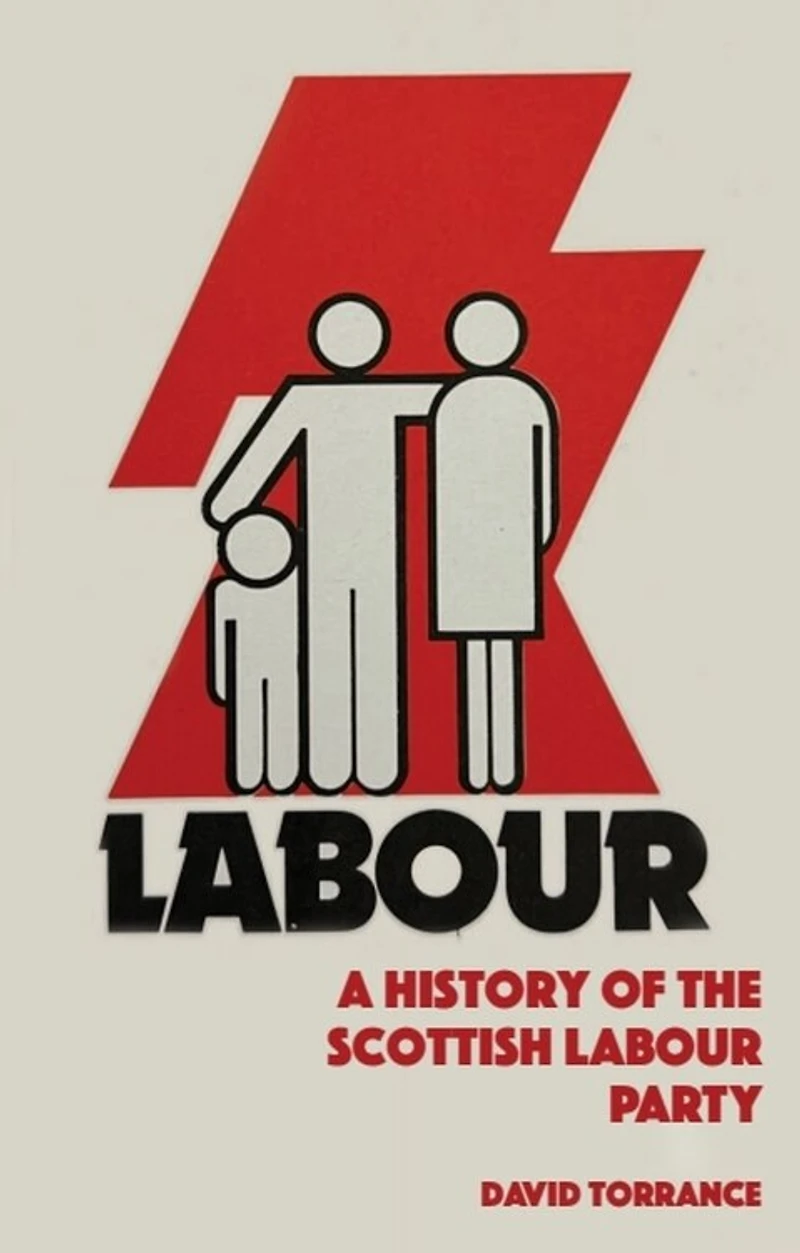
A History of the Scottish Labour Party in Brampton, ON
Current price: $162.99
Coles
A History of the Scottish Labour Party in Brampton, ON
Current price: $162.99
Loading Inventory...
Size: Hardcover
*Product information and pricing may vary - to confirm current pricing, availability, shipping, and return information please contact Coles. In the event of a pricing discrepancy, the retailer's price will apply.
The Scottish Labour Party – or rather the Labour Party in Scotland – was the dominant political party in Scotland from the 1950s until the early twenty-first century. It won the largest share of the vote at every UK general election between 1964 and 2010. While its electoral fortunes declined with the rise of the Scottish National Party during the 2000s, the Party has remained a significant force in Scottish politics.
This book provides an overview of the early decades of Scottish Labour politics, studying the party’s origins in late nineteenth-century working class politics and trade unionism. It also traces the party’s organisation, ideology, personnel and electoral performance over the past century. The book also analyses the party’s often surprisingly limited membership, its links with trade unions and the role of women’s organisations.
The Scottish Labour Party – or rather the Labour Party in Scotland – was the dominant political party in Scotland from the 1950s until the early twenty-first century. It won the largest share of the vote at every UK general election between 1964 and 2010. While its electoral fortunes declined with the rise of the Scottish National Party during the 2000s, the Party has remained a significant force in Scottish politics.
This book provides an overview of the early decades of Scottish Labour politics, studying the party’s origins in late nineteenth-century working class politics and trade unionism. It also traces the party’s organisation, ideology, personnel and electoral performance over the past century. The book also analyses the party’s often surprisingly limited membership, its links with trade unions and the role of women’s organisations.
You May Also Like









Find at Bramalea City Centre in Brampton, ON
Visit at Bramalea City Centre in Brampton, ON