



Gifting Made Simple
Give the Gift of ChoiceClick below to purchase a Bramalea City Centre eGift Card that can be used at participating retailers at Bramalea City Centre.Purchase HereHome
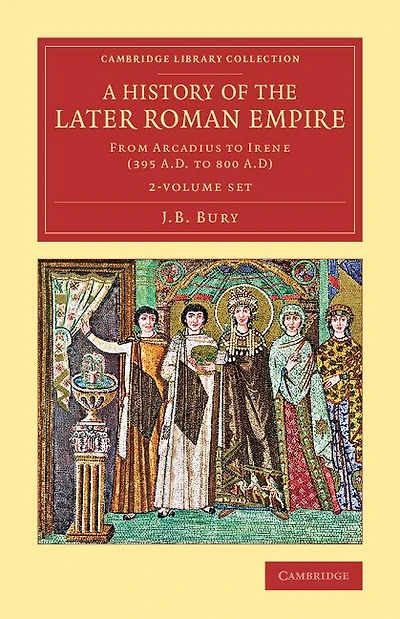
A History of the Later Roman Empire: From Arcadius to Irene (395 A.D. 800 A.D)
Coles
Loading Inventory...
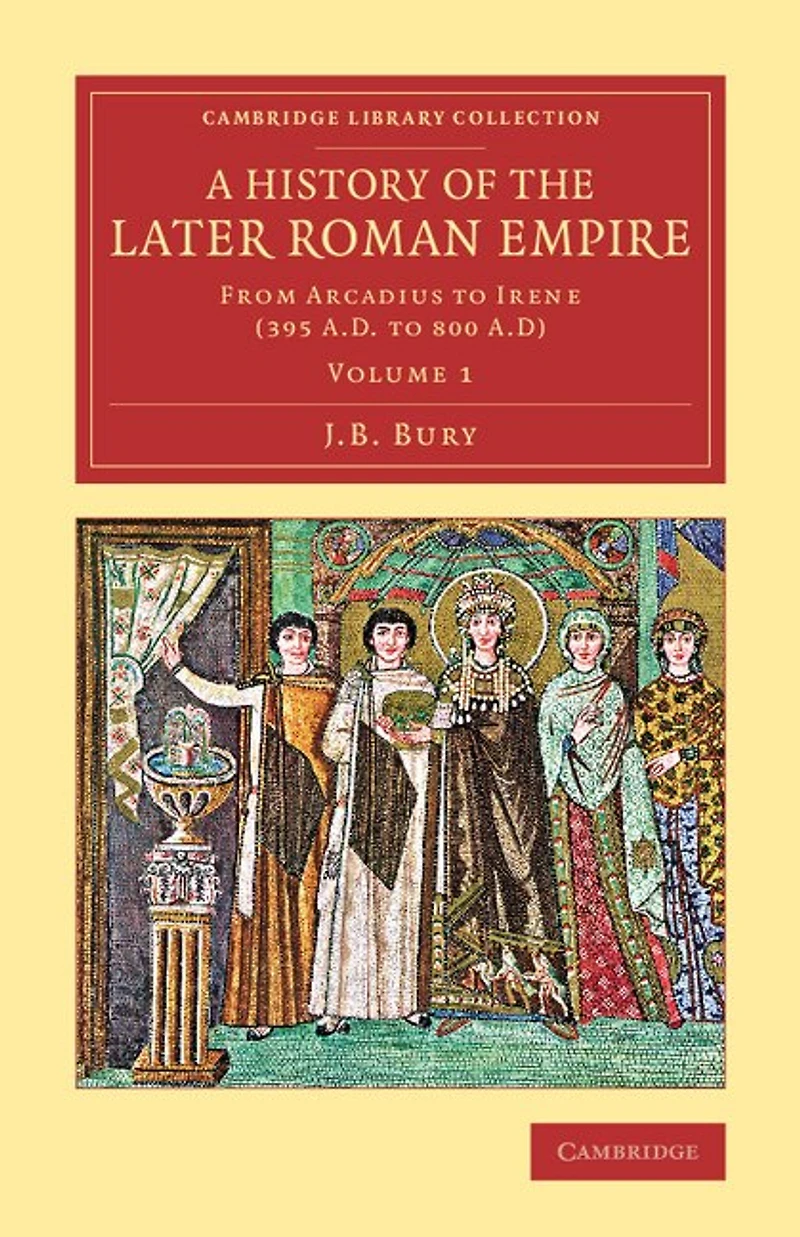
A History of the Later Roman Empire: From Arcadius to Irene (395 A.D. 800 A.D) in Brampton, ON
Current price: $81.64
Coles
A History of the Later Roman Empire: From Arcadius to Irene (395 A.D. 800 A.D) in Brampton, ON
Current price: $81.64
Loading Inventory...
Size: Paperback (2015 A)
*Product information and pricing may vary - to confirm current pricing, availability, shipping, and return information please contact Coles. In the event of a pricing discrepancy, the retailer's price will apply.
The classical historian J. B. Bury (1861–1927) was the author of a history of Greece which was a standard textbook for over a century. He also wrote on later periods, and, in this two-volume work of 1889, examines Byzantine history from 395 to 800. Arguing for the underlying continuity of the Roman empire from the time of Augustus until 1453, Bury nevertheless begins his account in the year in which, on the death of Theodosius I, the empire was divided into eastern and western parts, and Constantinople began to take on the metropolitan role formerly held by Rome. Broadly chronological, but with an extended section on the state of the empire at the end of the fourth century, Volume 1 covers the period to the deaths of Belisarius and Justinian in 565, examining the decline of paganism, the inroads of 'barbarians', and the cultural milieu of the early Byzantine empire.
The classical historian J. B. Bury (1861–1927) was the author of a history of Greece which was a standard textbook for over a century. He also wrote on later periods, and, in this two-volume work of 1889, examines Byzantine history from 395 to 800. Arguing for the underlying continuity of the Roman empire from the time of Augustus until 1453, Bury nevertheless begins his account in the year in which, on the death of Theodosius I, the empire was divided into eastern and western parts, and Constantinople began to take on the metropolitan role formerly held by Rome. Broadly chronological, but with an extended section on the state of the empire at the end of the fourth century, Volume 1 covers the period to the deaths of Belisarius and Justinian in 565, examining the decline of paganism, the inroads of 'barbarians', and the cultural milieu of the early Byzantine empire.
You May Also Like








Find at Bramalea City Centre in Brampton, ON
Visit at Bramalea City Centre in Brampton, ON