



Gifting Made Simple
Give the Gift of ChoiceClick below to purchase a Bramalea City Centre eGift Card that can be used at participating retailers at Bramalea City Centre.Purchase HereHome
A History of Macroeconomics from Keynes to Lucas and Beyond
Coles
Loading Inventory...
A History of Macroeconomics from Keynes to Lucas and Beyond in Brampton, ON
Current price: $226.95
Coles
A History of Macroeconomics from Keynes to Lucas and Beyond in Brampton, ON
Current price: $226.95
Loading Inventory...
Size: Hardcover
*Product information and pricing may vary - to confirm current pricing, availability, shipping, and return information please contact Coles. In the event of a pricing discrepancy, the retailer's price will apply.
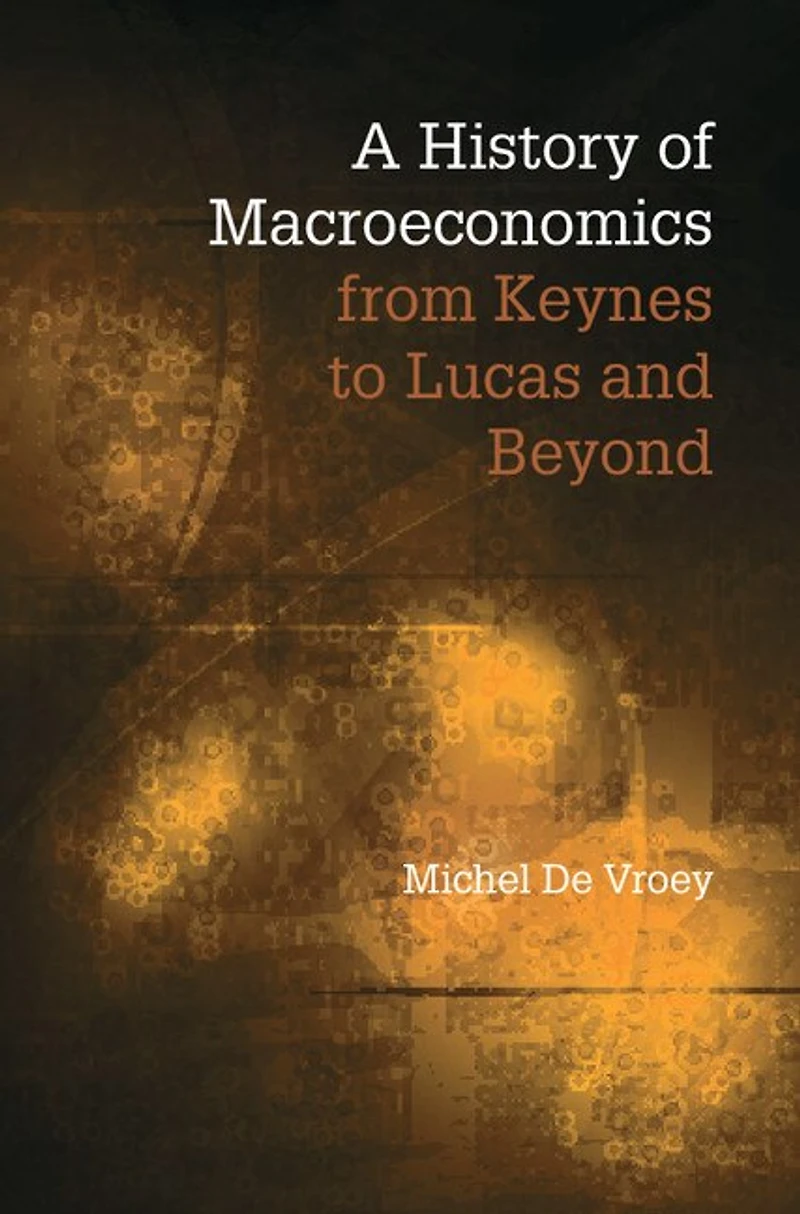
This book retraces the history of macroeconomics from Keynes's General Theory to the present. Central to it is the contrast between a Keynesian era and a Lucasian – or dynamic stochastic general equilibrium (DSGE) – era, each ruled by distinct methodological standards. In the Keynesian era, the book studies the following theories: Keynesian macroeconomics, monetarism, disequilibrium macro (Patinkin, Leijongufvud, and Clower) non-Walrasian equilibrium models, and first-generation new Keynesian models. Three stages are identified in the DSGE era: new classical macro (Lucas), RBC modelling, and second-generation new Keynesian modeling. The book also examines a few selected works aimed at presenting alternatives to Lucasian macro. While not eschewing analytical content, Michel De Vroey focuses on substantive assessments, and the models studied are presented in a pedagogical and vivid yet critical way.
This book retraces the history of macroeconomics from Keynes's General Theory to the present. Central to it is the contrast between a Keynesian era and a Lucasian – or dynamic stochastic general equilibrium (DSGE) – era, each ruled by distinct methodological standards. In the Keynesian era, the book studies the following theories: Keynesian macroeconomics, monetarism, disequilibrium macro (Patinkin, Leijongufvud, and Clower) non-Walrasian equilibrium models, and first-generation new Keynesian models. Three stages are identified in the DSGE era: new classical macro (Lucas), RBC modelling, and second-generation new Keynesian modeling. The book also examines a few selected works aimed at presenting alternatives to Lucasian macro. While not eschewing analytical content, Michel De Vroey focuses on substantive assessments, and the models studied are presented in a pedagogical and vivid yet critical way.
You May Also Like















Find at Bramalea City Centre in Brampton, ON
Visit at Bramalea City Centre in Brampton, ON