



Gifting Made Simple
Give the Gift of ChoiceClick below to purchase a Bramalea City Centre eGift Card that can be used at participating retailers at Bramalea City Centre.Purchase HereHome
A History of Limb Amputation
Coles
Loading Inventory...
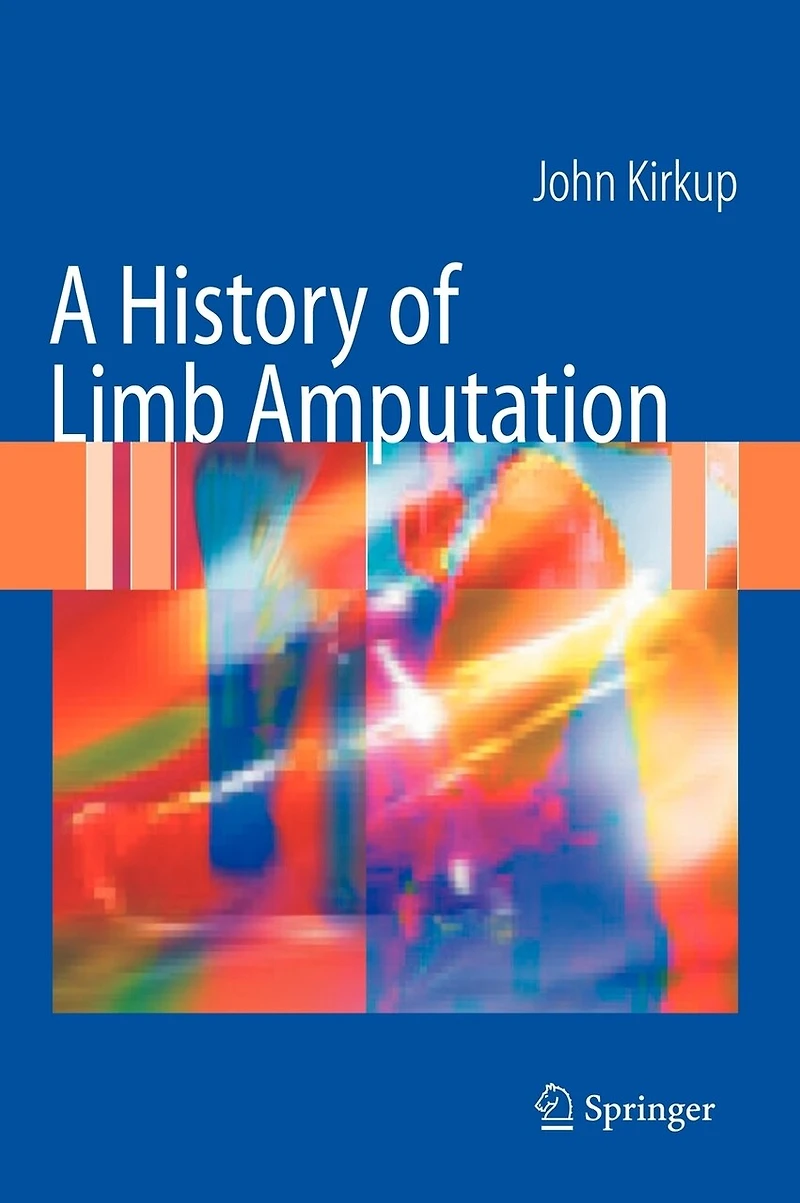
A History of Limb Amputation in Brampton, ON
Current price: $451.50
Coles
A History of Limb Amputation in Brampton, ON
Current price: $451.50
Loading Inventory...
Size: Hardcover
*Product information and pricing may vary - to confirm current pricing, availability, shipping, and return information please contact Coles. In the event of a pricing discrepancy, the retailer's price will apply.
First part of the book presents a unique and coherent study of natural amputations due to congenital absence, disease, frostbite, toxins, domestic and wild animal trauma, and non-medical reasons related to punitive, ritual and legal decisions. Following the introduction of gun powder in the 15th century, surgical action became significant. The subsequent development of surgical amputation and its difficulties form a major part of the book, summarising the evolution of the control of haemorrhage and infection, pain relief, techniques, instrumentation, complications, prostheses, results and case histories. In addition, alternative procedures, increasingly important in the last two centuries, are debated and factors associated with self-amputation in extremis, not as rare according to press reports, are also examined. This richly illustrated book will be of interest to medical and social historians, surgeons, limb-fitting surgeons and prosthetists, anaesthetists, limb manufacturers, social historians, ethnologists and amputees.
First part of the book presents a unique and coherent study of natural amputations due to congenital absence, disease, frostbite, toxins, domestic and wild animal trauma, and non-medical reasons related to punitive, ritual and legal decisions. Following the introduction of gun powder in the 15th century, surgical action became significant. The subsequent development of surgical amputation and its difficulties form a major part of the book, summarising the evolution of the control of haemorrhage and infection, pain relief, techniques, instrumentation, complications, prostheses, results and case histories. In addition, alternative procedures, increasingly important in the last two centuries, are debated and factors associated with self-amputation in extremis, not as rare according to press reports, are also examined. This richly illustrated book will be of interest to medical and social historians, surgeons, limb-fitting surgeons and prosthetists, anaesthetists, limb manufacturers, social historians, ethnologists and amputees.
You May Also Like
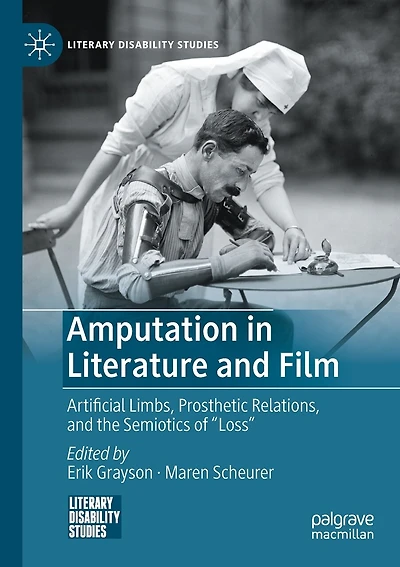
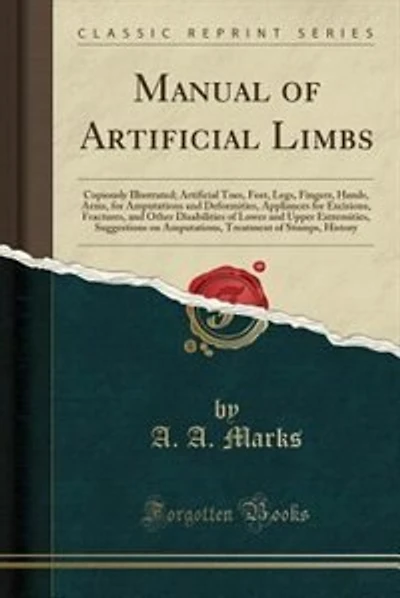












Find at Bramalea City Centre in Brampton, ON
Visit at Bramalea City Centre in Brampton, ON