



Gifting Made Simple
Give the Gift of ChoiceClick below to purchase a Bramalea City Centre eGift Card that can be used at participating retailers at Bramalea City Centre.Purchase HereHome
A History of Herat: From Chingiz Khan to Tamerlane
Coles
Loading Inventory...
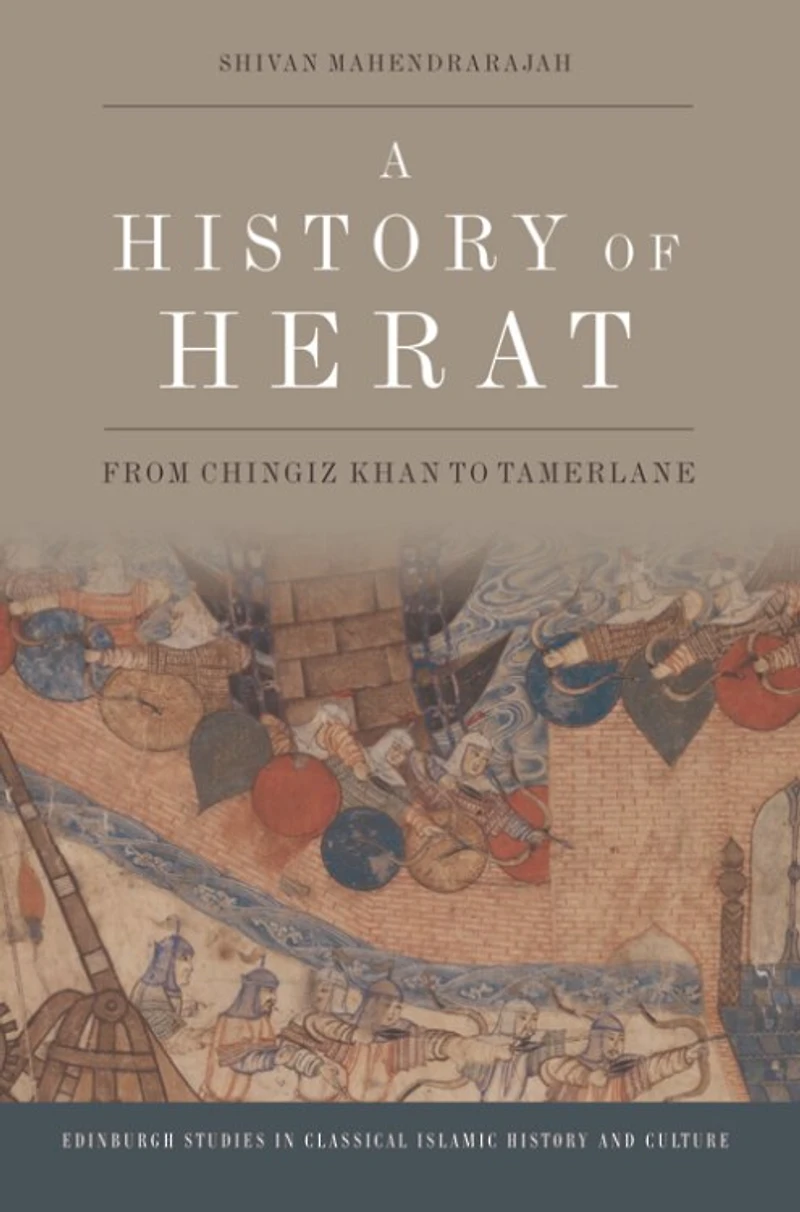
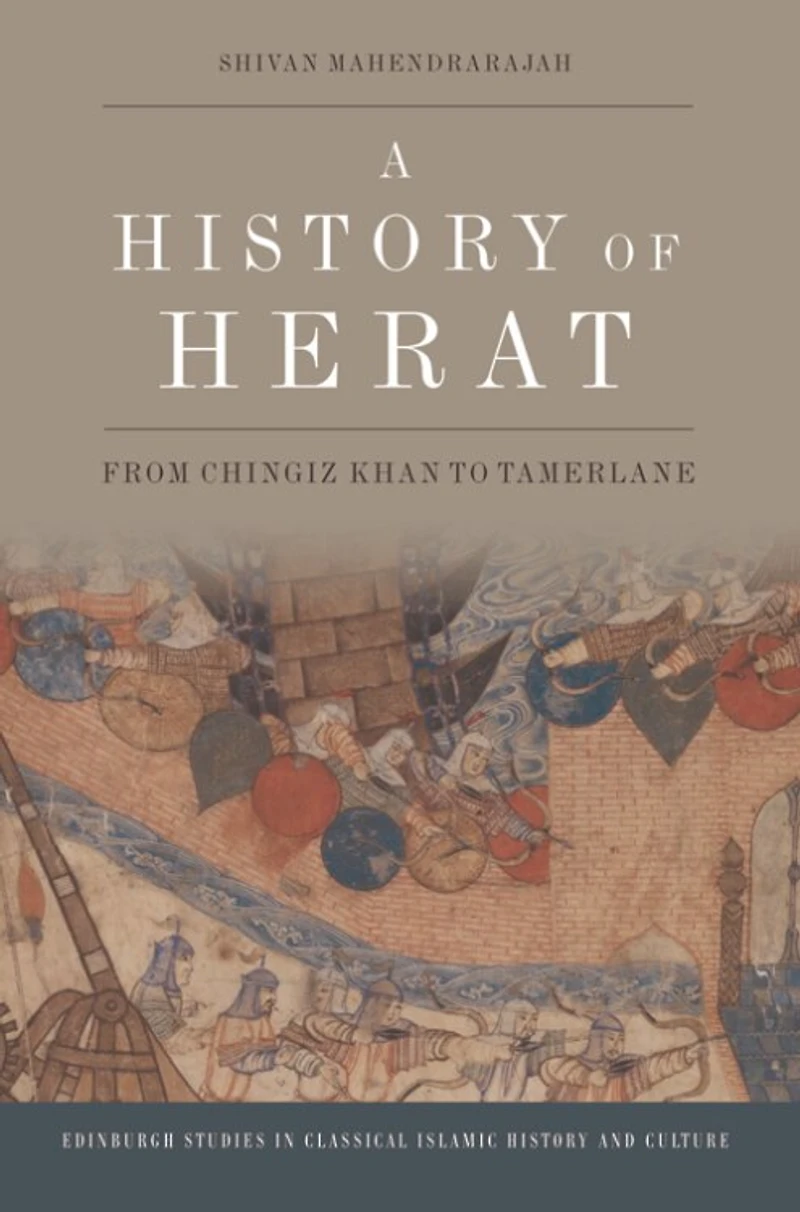
A History of Herat: From Chingiz Khan to Tamerlane in Brampton, ON
Current price: $181.99
Coles
A History of Herat: From Chingiz Khan to Tamerlane in Brampton, ON
Current price: $181.99
Loading Inventory...
Size: Hardcover
*Product information and pricing may vary - to confirm current pricing, availability, shipping, and return information please contact Coles. In the event of a pricing discrepancy, the retailer's price will apply.
This book tells the history of Herat, from its desolation under Chingiz Khan in 1222, to its capitulation to Tamerlane in 1381. Unlike the other three quarters of Khurasan (Balkh, Marw, Nishapur), which were ravaged by the Mongols, Herat became an important political, cultural and economic centre of the eastern Islamic world. The post-Mongol age in which an autochthonous Tajik dynasty, the Kartids, ruled the region set the foundations for Herat’s Timurid-era splendors.
Divided into two parts (a political-military history and a social-economic history), the book explains why the Mongol Empire rebuilt Herat: its rationales and approaches; and Chinggisid internecine conflicts that impacted on Herat’s people. It analyses the roles of Iranians, Turks and Mongols in regional politics; in devising fortifications; in restoring commercial and cultural edifices; and in resuscitating economic and cultural activities in the Herat Quarter.
This book tells the history of Herat, from its desolation under Chingiz Khan in 1222, to its capitulation to Tamerlane in 1381. Unlike the other three quarters of Khurasan (Balkh, Marw, Nishapur), which were ravaged by the Mongols, Herat became an important political, cultural and economic centre of the eastern Islamic world. The post-Mongol age in which an autochthonous Tajik dynasty, the Kartids, ruled the region set the foundations for Herat’s Timurid-era splendors.
Divided into two parts (a political-military history and a social-economic history), the book explains why the Mongol Empire rebuilt Herat: its rationales and approaches; and Chinggisid internecine conflicts that impacted on Herat’s people. It analyses the roles of Iranians, Turks and Mongols in regional politics; in devising fortifications; in restoring commercial and cultural edifices; and in resuscitating economic and cultural activities in the Herat Quarter.
You May Also Like











Find at Bramalea City Centre in Brampton, ON
Visit at Bramalea City Centre in Brampton, ON