



Gifting Made Simple
Give the Gift of ChoiceClick below to purchase a Bramalea City Centre eGift Card that can be used at participating retailers at Bramalea City Centre.Purchase HereHome
A Guide to Building Education Partnerships: Navigating Diverse Cultural Contexts Turn Challenge into Promise
Coles
Loading Inventory...
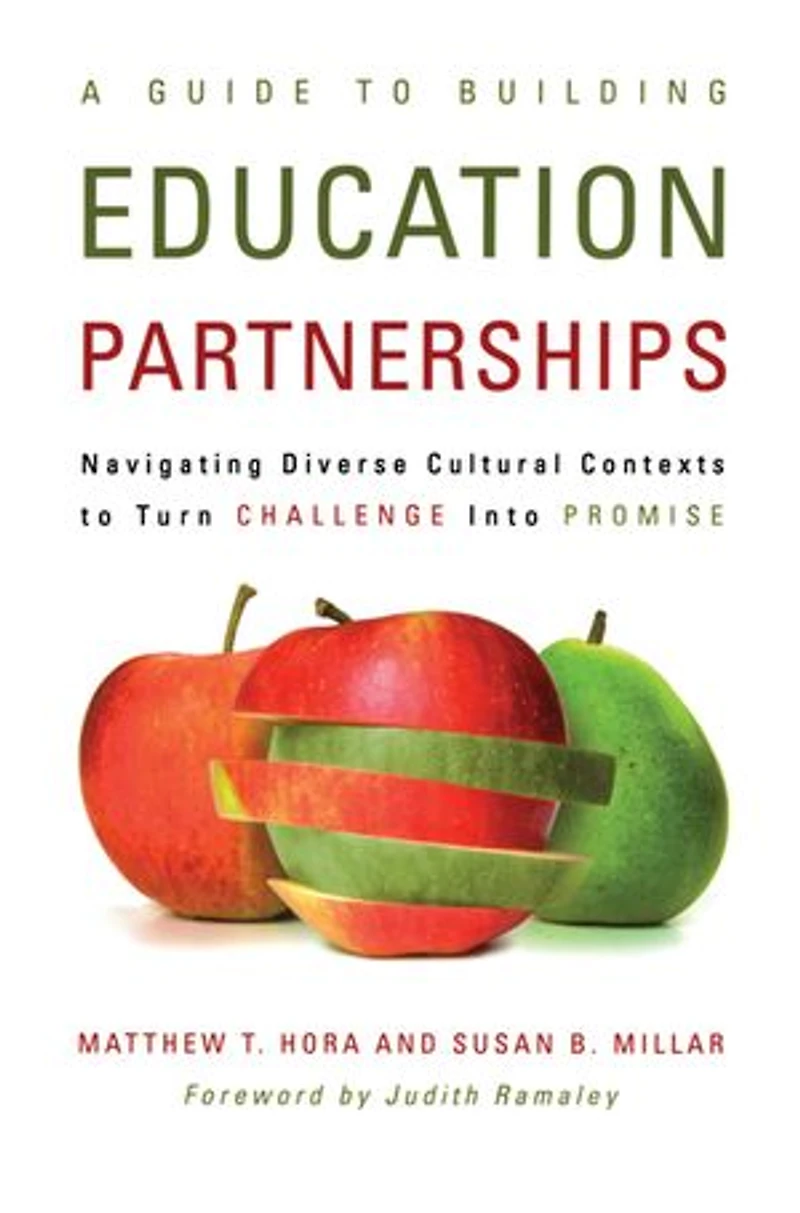
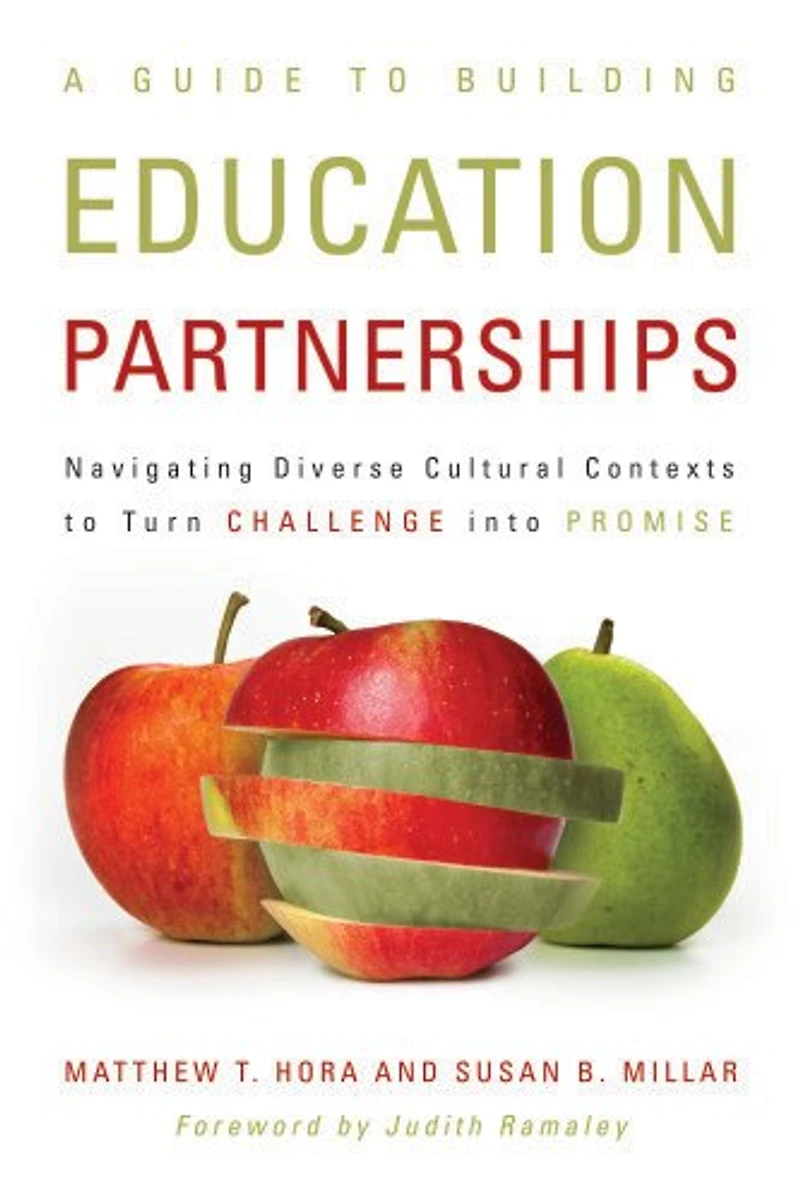
A Guide to Building Education Partnerships: Navigating Diverse Cultural Contexts Turn Challenge into Promise in Brampton, ON
Current price: $54.28
Coles
A Guide to Building Education Partnerships: Navigating Diverse Cultural Contexts Turn Challenge into Promise in Brampton, ON
Current price: $54.28
Loading Inventory...
Size: Kobo eBook
*Product information and pricing may vary - to confirm current pricing, availability, shipping, and return information please contact Coles. In the event of a pricing discrepancy, the retailer's price will apply.
Education partnerships are central to - and often a requirement of - most education reform initiatives promoted by state and local governments, by foundations, and by business funders. Many fail for failure to understand the dynamics of their complex relationships.This book provides insights and guidance to enable prospective and existing education partners to develop answers to the questions that are critical to success: Why engage in this partnership? How can you communicate the potential benefits of partnership to motivate teachers, faculty, administrators, and community members? How do you select the best organizational structure and procedures for a partnership? How can you maintain open, deliberative discussion while respecting different histories and cultures? How can you produce compelling evidence that the partnership is worthwhile? Based on their observation of a five-year-long publicly funded partnership, research data, and the literature, the authors identify the principles that they consider critical to answering these questions. The authors do not minimize the differences and complexities inherent in partnership work, because they believe that doing so would be to present coherence and homogeneity where none exists. Instead, they seek to make evident how these principles underlie many different partnership situations. Thus, rather than presenting a package of best practices, or a cookie-cutter approach, this book presents the organizational principles for planning and implementing education partnerships, along with sets of strategies for working through them. The authors present the diagnostic tools for undertaking a deliberate and research-based approach to planning, designing, and managing a partnership. By surfacing participants' often-differing motivations, and the practices and assumptions they bring to the table, the book provides the foundation for developing a constructive relationship. In scope, the book extends beyond school-university partnerships to include schools' collaboration with state and local governments, nonprofit organizations, and the business sector.
Education partnerships are central to - and often a requirement of - most education reform initiatives promoted by state and local governments, by foundations, and by business funders. Many fail for failure to understand the dynamics of their complex relationships.This book provides insights and guidance to enable prospective and existing education partners to develop answers to the questions that are critical to success: Why engage in this partnership? How can you communicate the potential benefits of partnership to motivate teachers, faculty, administrators, and community members? How do you select the best organizational structure and procedures for a partnership? How can you maintain open, deliberative discussion while respecting different histories and cultures? How can you produce compelling evidence that the partnership is worthwhile? Based on their observation of a five-year-long publicly funded partnership, research data, and the literature, the authors identify the principles that they consider critical to answering these questions. The authors do not minimize the differences and complexities inherent in partnership work, because they believe that doing so would be to present coherence and homogeneity where none exists. Instead, they seek to make evident how these principles underlie many different partnership situations. Thus, rather than presenting a package of best practices, or a cookie-cutter approach, this book presents the organizational principles for planning and implementing education partnerships, along with sets of strategies for working through them. The authors present the diagnostic tools for undertaking a deliberate and research-based approach to planning, designing, and managing a partnership. By surfacing participants' often-differing motivations, and the practices and assumptions they bring to the table, the book provides the foundation for developing a constructive relationship. In scope, the book extends beyond school-university partnerships to include schools' collaboration with state and local governments, nonprofit organizations, and the business sector.
You May Also Like













Find at Bramalea City Centre in Brampton, ON
Visit at Bramalea City Centre in Brampton, ON