



Gifting Made Simple
Give the Gift of ChoiceClick below to purchase a Bramalea City Centre eGift Card that can be used at participating retailers at Bramalea City Centre.Purchase HereHome
A Grammatical Sketch of Cua
Coles
Loading Inventory...
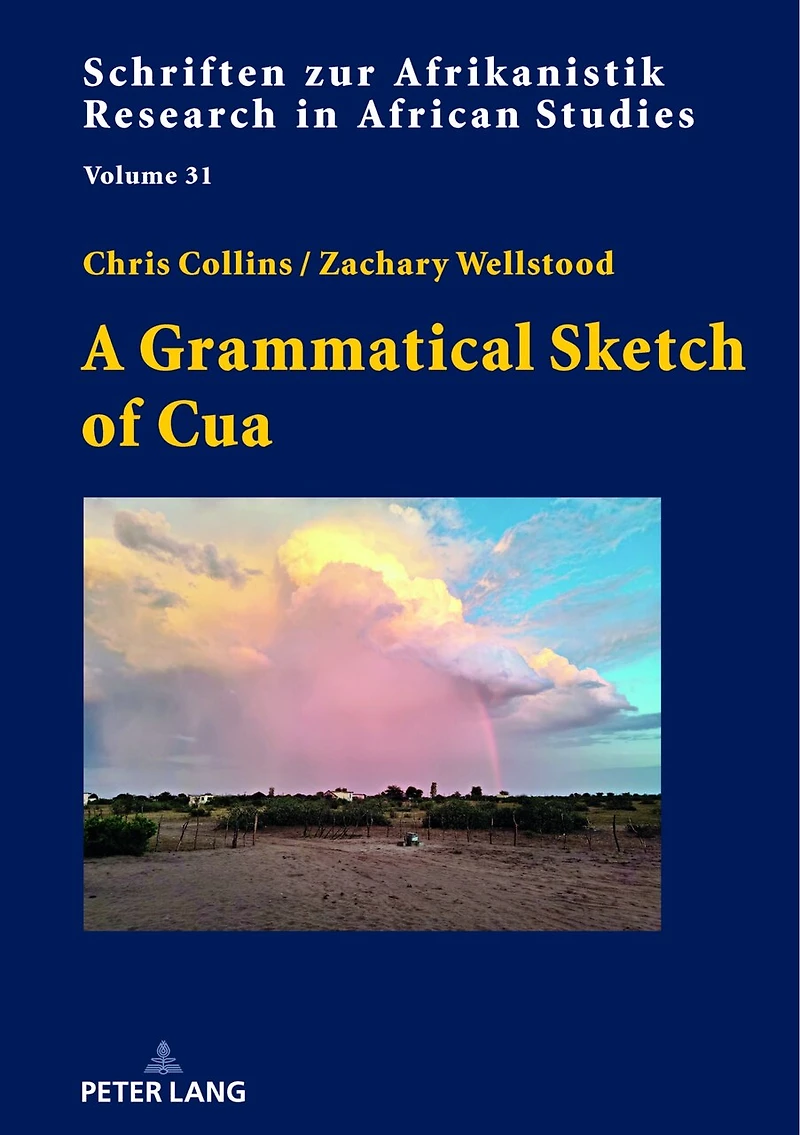
A Grammatical Sketch of Cua in Brampton, ON
Current price: $88.48
Coles
A Grammatical Sketch of Cua in Brampton, ON
Current price: $88.48
Loading Inventory...
Size: Hardcover
*Product information and pricing may vary - to confirm current pricing, availability, shipping, and return information please contact Coles. In the event of a pricing discrepancy, the retailer's price will apply.
Cua is a Kalahari Khoe language spoken in southeastern Botswana (Kweneng District). It is closely related to languages such as G||ana, Tshila and Tsua. The phonology chapter describes the consonant, tone and vowel inventories, as well as a system of depressed tones following aspirated and voiced consonants. Later chapters provide concise overviews of the morphology and syntax of the language. Cua is characterized by a complex system of person-gender-number markers (PGN markers), which play a role in the formation of the pronouns. The features defining pronouns include: singular, dual, and plural number; first, second, and third person; and masculine, feminine and neutral gender. There is also a distinction between inclusive and exclusive first-person plural pronouns.
Cua is a Kalahari Khoe language spoken in southeastern Botswana (Kweneng District). It is closely related to languages such as G||ana, Tshila and Tsua. The phonology chapter describes the consonant, tone and vowel inventories, as well as a system of depressed tones following aspirated and voiced consonants. Later chapters provide concise overviews of the morphology and syntax of the language. Cua is characterized by a complex system of person-gender-number markers (PGN markers), which play a role in the formation of the pronouns. The features defining pronouns include: singular, dual, and plural number; first, second, and third person; and masculine, feminine and neutral gender. There is also a distinction between inclusive and exclusive first-person plural pronouns.
You May Also Like









Find at Bramalea City Centre in Brampton, ON
Visit at Bramalea City Centre in Brampton, ON