



Gifting Made Simple
Give the Gift of ChoiceClick below to purchase a Bramalea City Centre eGift Card that can be used at participating retailers at Bramalea City Centre.Purchase HereHome
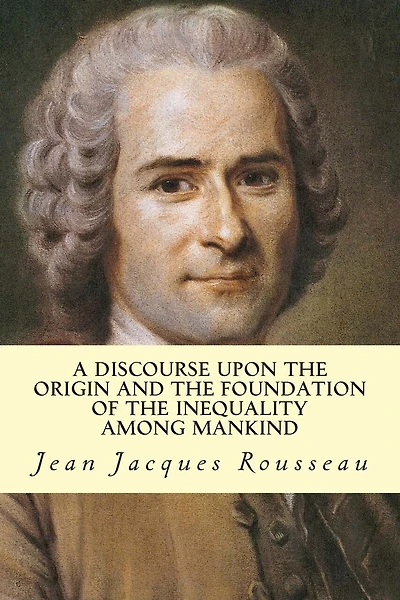
A Discourse Upon the Origin and the Foundation of the Inequality Among Mankind
Coles
Loading Inventory...
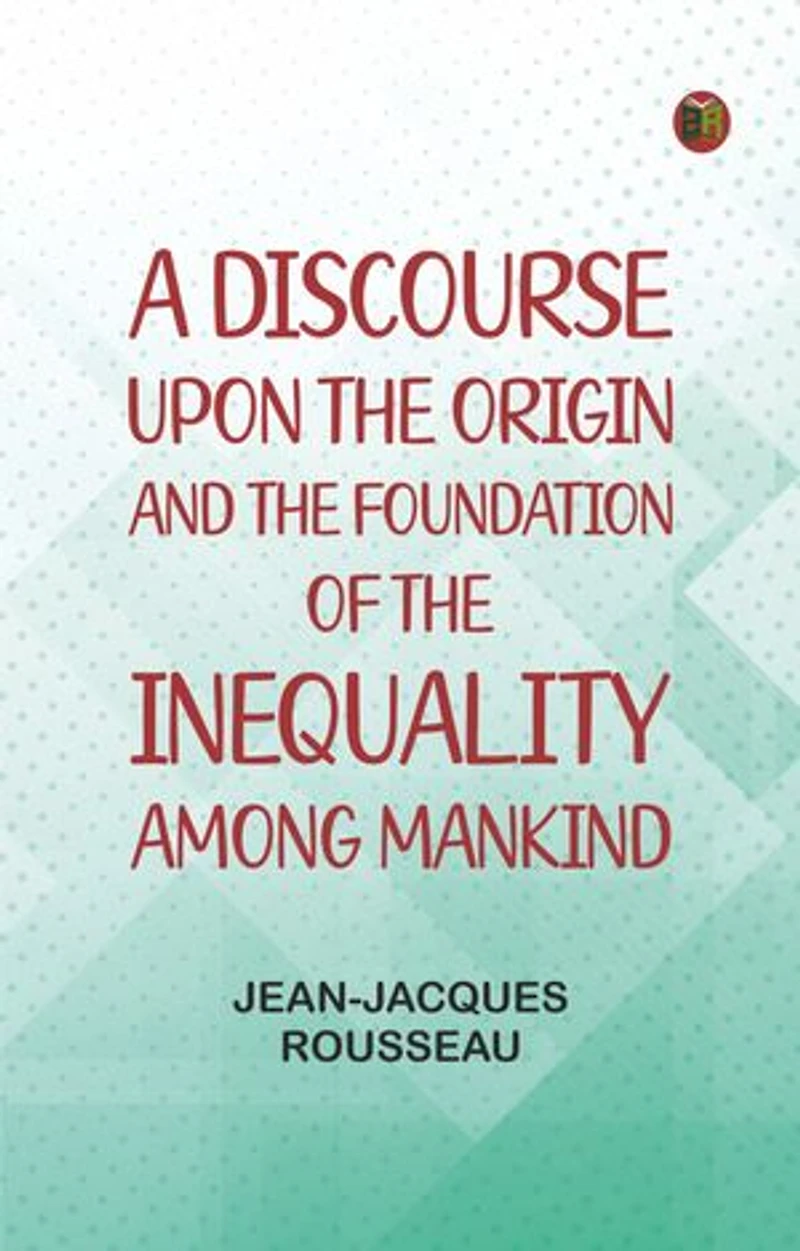
A Discourse Upon the Origin and the Foundation of the Inequality Among Mankind in Brampton, ON
Current price: $1.29
Coles
A Discourse Upon the Origin and the Foundation of the Inequality Among Mankind in Brampton, ON
Current price: $1.29
Loading Inventory...
Size: Kobo eBook
*Product information and pricing may vary - to confirm current pricing, availability, shipping, and return information please contact Coles. In the event of a pricing discrepancy, the retailer's price will apply.
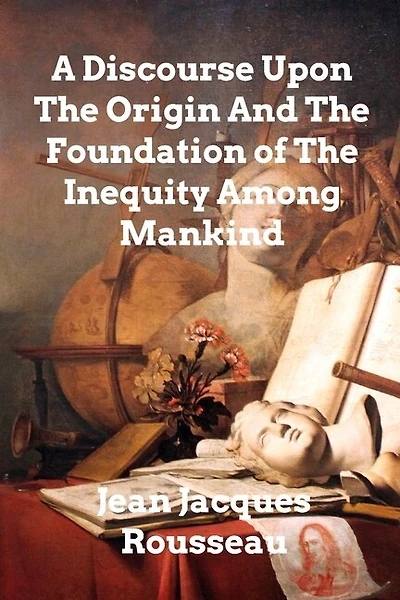
"A Discourse Upon the Origin and the Foundation of the Inequality Among Mankind" by Jean-Jacques Rousseau is a profound philosophical work that explores the nature of human inequality. Rousseau examines the social and political structures that contribute to disparities among individuals, arguing that much of this inequality is not natural but rather a product of societal conventions. He contrasts the state of nature, where humans are free and equal, with the complexities of civilized society, which he believes corrupts human beings and creates artificial hierarchies.***In this discourse, Rousseau delves into the historical development of human societies, critiquing the emergence of property and the resulting social stratification. He posits that the establishment of private property led to competition, jealousy, and conflict, fundamentally altering human relationships. Rousseau's insights challenge readers to reconsider the foundations of social order and the moral implications of inequality, making this work a cornerstone of Enlightenment thought and a significant influence on modern political philosophy.
"A Discourse Upon the Origin and the Foundation of the Inequality Among Mankind" by Jean-Jacques Rousseau is a profound philosophical work that explores the nature of human inequality. Rousseau examines the social and political structures that contribute to disparities among individuals, arguing that much of this inequality is not natural but rather a product of societal conventions. He contrasts the state of nature, where humans are free and equal, with the complexities of civilized society, which he believes corrupts human beings and creates artificial hierarchies.***In this discourse, Rousseau delves into the historical development of human societies, critiquing the emergence of property and the resulting social stratification. He posits that the establishment of private property led to competition, jealousy, and conflict, fundamentally altering human relationships. Rousseau's insights challenge readers to reconsider the foundations of social order and the moral implications of inequality, making this work a cornerstone of Enlightenment thought and a significant influence on modern political philosophy.
You May Also Like








Find at Bramalea City Centre in Brampton, ON
Visit at Bramalea City Centre in Brampton, ON