



Gifting Made Simple
Give the Gift of ChoiceClick below to purchase a Bramalea City Centre eGift Card that can be used at participating retailers at Bramalea City Centre.Purchase HereHome
A Dialogue between Alexander the Great and Diogenes the Cynic
Coles
Loading Inventory...
A Dialogue between Alexander the Great and Diogenes the Cynic in Brampton, ON
Current price: $6.99
Coles
A Dialogue between Alexander the Great and Diogenes the Cynic in Brampton, ON
Current price: $6.99
Loading Inventory...
Size: Kobo eBook
*Product information and pricing may vary - to confirm current pricing, availability, shipping, and return information please contact Coles. In the event of a pricing discrepancy, the retailer's price will apply.
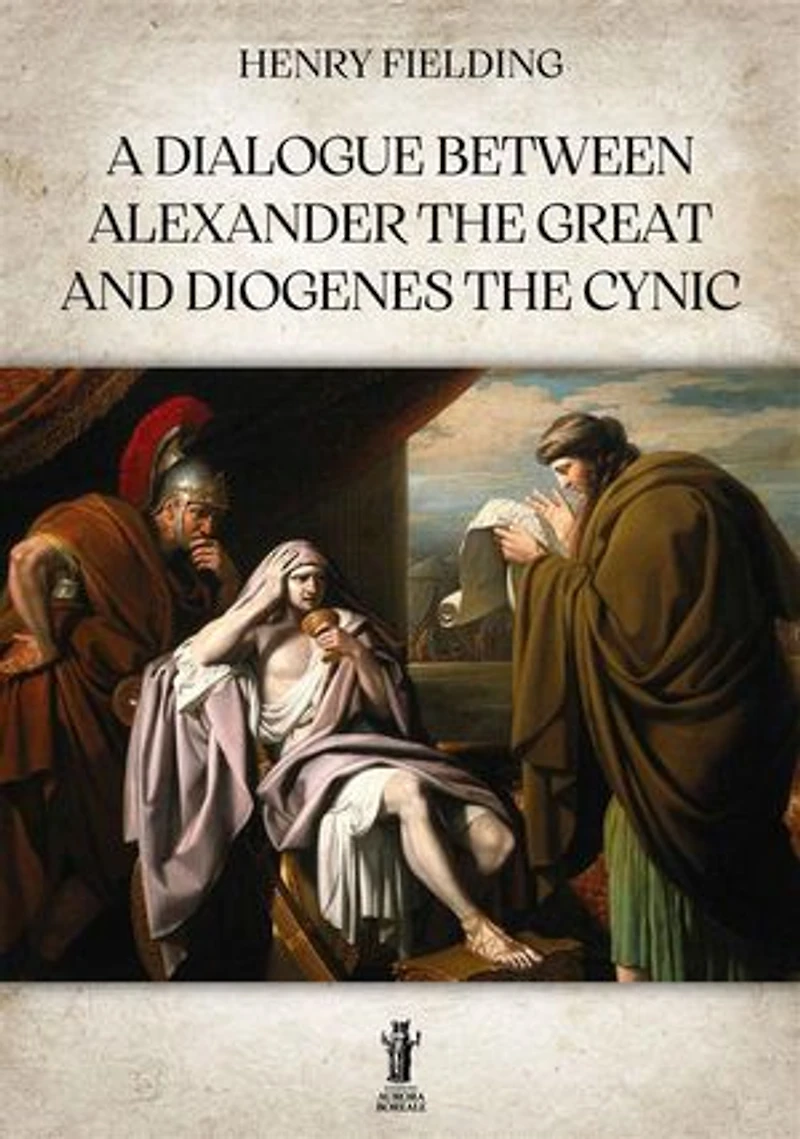
Henry Fielding (1707-1754) was an English novelist, irony writer, and dramatist known for earthy humour and satire. He wrote A Dialogue between Alexander the Great and Diogenes the Cynic in 1743. How can we classify this work of his? It is an ironic text, in dialogic form, not without a subtle philosophical and political criticism. A satirical and surreal text that compares Alexander the Great, the conqueror of the world, and the Greek philosopher Diogenes of Sinope, one of the founders of Cynicism. A dialogue certainly imaginary, but alive and profound, which ranges over the themes of life and the ephemerality of glory. A dialogue set in the fourth century BC, but which reflects the politics, morals and contradictions of 18th century England.
Henry Fielding (1707-1754) was an English novelist, irony writer, and dramatist known for earthy humour and satire. He wrote A Dialogue between Alexander the Great and Diogenes the Cynic in 1743. How can we classify this work of his? It is an ironic text, in dialogic form, not without a subtle philosophical and political criticism. A satirical and surreal text that compares Alexander the Great, the conqueror of the world, and the Greek philosopher Diogenes of Sinope, one of the founders of Cynicism. A dialogue certainly imaginary, but alive and profound, which ranges over the themes of life and the ephemerality of glory. A dialogue set in the fourth century BC, but which reflects the politics, morals and contradictions of 18th century England.
You May Also Like








Find at Bramalea City Centre in Brampton, ON
Visit at Bramalea City Centre in Brampton, ON