



Gifting Made Simple
Give the Gift of ChoiceClick below to purchase a Bramalea City Centre eGift Card that can be used at participating retailers at Bramalea City Centre.Purchase HereHome
A Cultural History of the Sea in the Early Modern Age
Coles
Loading Inventory...
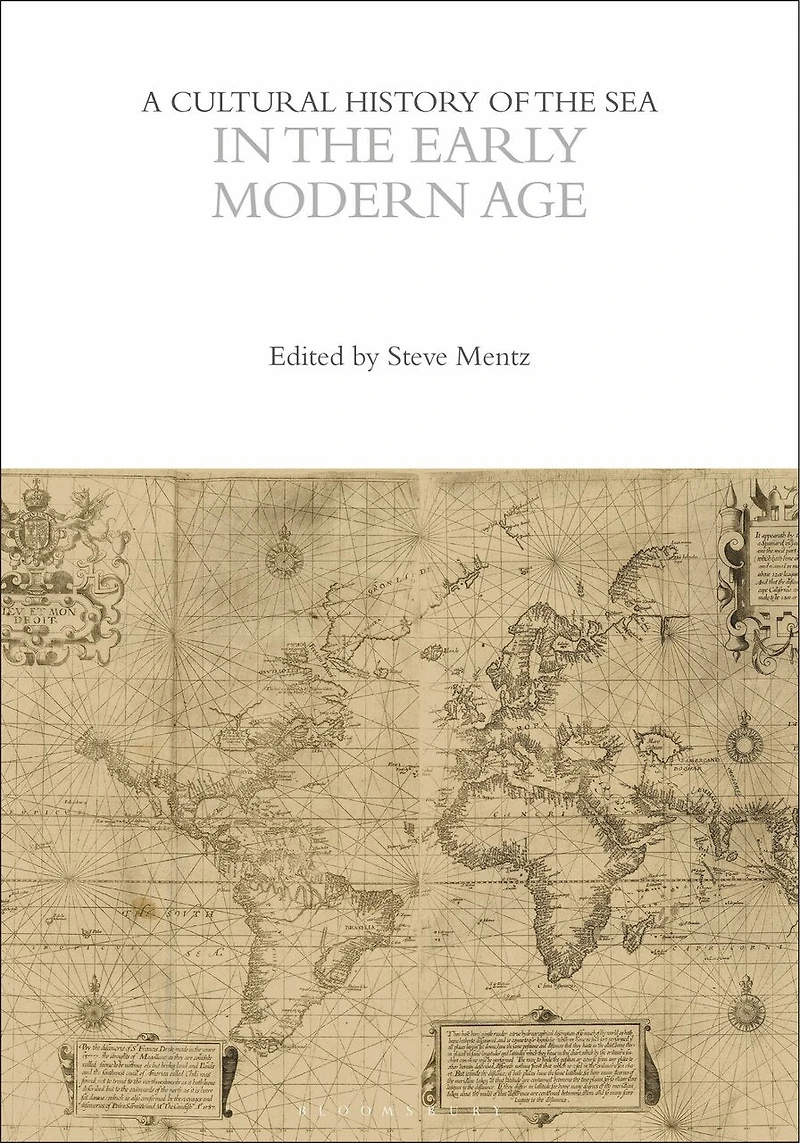
A Cultural History of the Sea in the Early Modern Age in Brampton, ON
Current price: $160.95
Coles
A Cultural History of the Sea in the Early Modern Age in Brampton, ON
Current price: $160.95
Loading Inventory...
Size: Hardcover
*Product information and pricing may vary - to confirm current pricing, availability, shipping, and return information please contact Coles. In the event of a pricing discrepancy, the retailer's price will apply.
For the first time during the Early Modern period, ships regularly traveled between and among all of basins that comprise the World Ocean. During this period European mariners ventured into new waters, where they encountered new trading partners, new environments, and new opportunities. In the Caribbean and Atlantic coast of the Americas, European mariners sought everything from pearls to gold to codfish, and in pursuing these resources they fractured Indigenous communities. Entering into the ancient monsoon routes of the Indian Ocean brought European ships in touch with the powerful states and maritime cultures of East Africa and Asia. Converging on the vast Pacific basin both from the Americas and from Asia brought these mariners into contact with ancient cultures, dangerous passages, and newly global trade routes. During this period of globalization and cultural encounters, the ocean provided a means of transportation, a site of environmental hostility, and a poetic metaphor for both connection and alienation. In material and cultural ways, the global sea-routes traveled during this period laid down structures of global exchange and conflict that the world still follows today
For the first time during the Early Modern period, ships regularly traveled between and among all of basins that comprise the World Ocean. During this period European mariners ventured into new waters, where they encountered new trading partners, new environments, and new opportunities. In the Caribbean and Atlantic coast of the Americas, European mariners sought everything from pearls to gold to codfish, and in pursuing these resources they fractured Indigenous communities. Entering into the ancient monsoon routes of the Indian Ocean brought European ships in touch with the powerful states and maritime cultures of East Africa and Asia. Converging on the vast Pacific basin both from the Americas and from Asia brought these mariners into contact with ancient cultures, dangerous passages, and newly global trade routes. During this period of globalization and cultural encounters, the ocean provided a means of transportation, a site of environmental hostility, and a poetic metaphor for both connection and alienation. In material and cultural ways, the global sea-routes traveled during this period laid down structures of global exchange and conflict that the world still follows today
You May Also Like











Find at Bramalea City Centre in Brampton, ON
Visit at Bramalea City Centre in Brampton, ON