



Gifting Made Simple
Give the Gift of ChoiceClick below to purchase a Bramalea City Centre eGift Card that can be used at participating retailers at Bramalea City Centre.Purchase HereHome
A Clinical Approach to Antiarrhythmic Drugs
Coles
Loading Inventory...
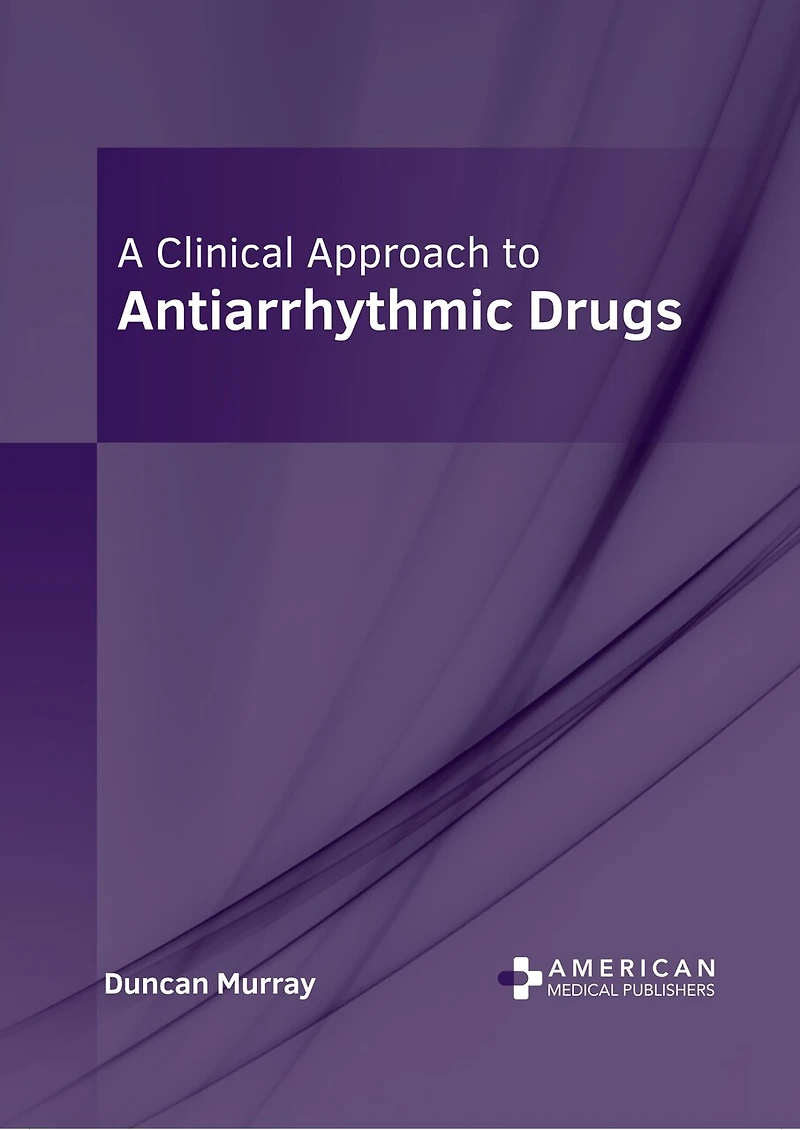
A Clinical Approach to Antiarrhythmic Drugs in Brampton, ON
Current price: $209.44
Coles
A Clinical Approach to Antiarrhythmic Drugs in Brampton, ON
Current price: $209.44
Loading Inventory...
Size: Hardcover
*Product information and pricing may vary - to confirm current pricing, availability, shipping, and return information please contact Coles. In the event of a pricing discrepancy, the retailer's price will apply.
Antiarrhythmic drugs, also known as cardiac dysrhythmia medications, are a class of drugs used to treat irregular heart rhythms (cardiac arrhythmias) such as atrial fibrillation, atrial flutter, ventricular tachycardia, and ventricular fibrillation. Amiodarone, flecainide, ibutilide, and lidocaine are a few antiarrhythmic drugs. Most of these drugs can be administered intravenously or orally, depending on the severity of the illness. These drugs have multiple modes of action. For instance, different classes of antiarrhythmic drugs include sodium channel disrupters, potassium channel blockers, beta-blockers, calcium channel blockers, and cardiac glycosides. The side effects of antiarrhythmic medications are possible issues with the liver, kidney, thyroid or lungs, along with tiredness, nausea, and shortness of breath. This book aims to shed light on some of the unexplored aspects of antiarrhythmic drugs and the recent researches in this field. It consists of contributions made by international experts. This book will serve as a reference to a broad spectrum of readers.
Antiarrhythmic drugs, also known as cardiac dysrhythmia medications, are a class of drugs used to treat irregular heart rhythms (cardiac arrhythmias) such as atrial fibrillation, atrial flutter, ventricular tachycardia, and ventricular fibrillation. Amiodarone, flecainide, ibutilide, and lidocaine are a few antiarrhythmic drugs. Most of these drugs can be administered intravenously or orally, depending on the severity of the illness. These drugs have multiple modes of action. For instance, different classes of antiarrhythmic drugs include sodium channel disrupters, potassium channel blockers, beta-blockers, calcium channel blockers, and cardiac glycosides. The side effects of antiarrhythmic medications are possible issues with the liver, kidney, thyroid or lungs, along with tiredness, nausea, and shortness of breath. This book aims to shed light on some of the unexplored aspects of antiarrhythmic drugs and the recent researches in this field. It consists of contributions made by international experts. This book will serve as a reference to a broad spectrum of readers.
You May Also Like











Find at Bramalea City Centre in Brampton, ON
Visit at Bramalea City Centre in Brampton, ON