



Gifting Made Simple
Give the Gift of ChoiceClick below to purchase a Bramalea City Centre eGift Card that can be used at participating retailers at Bramalea City Centre.Purchase HereHome
A Clash of Cultures: Fort Bowie and the Chiricahua Apaches
Coles
Loading Inventory...
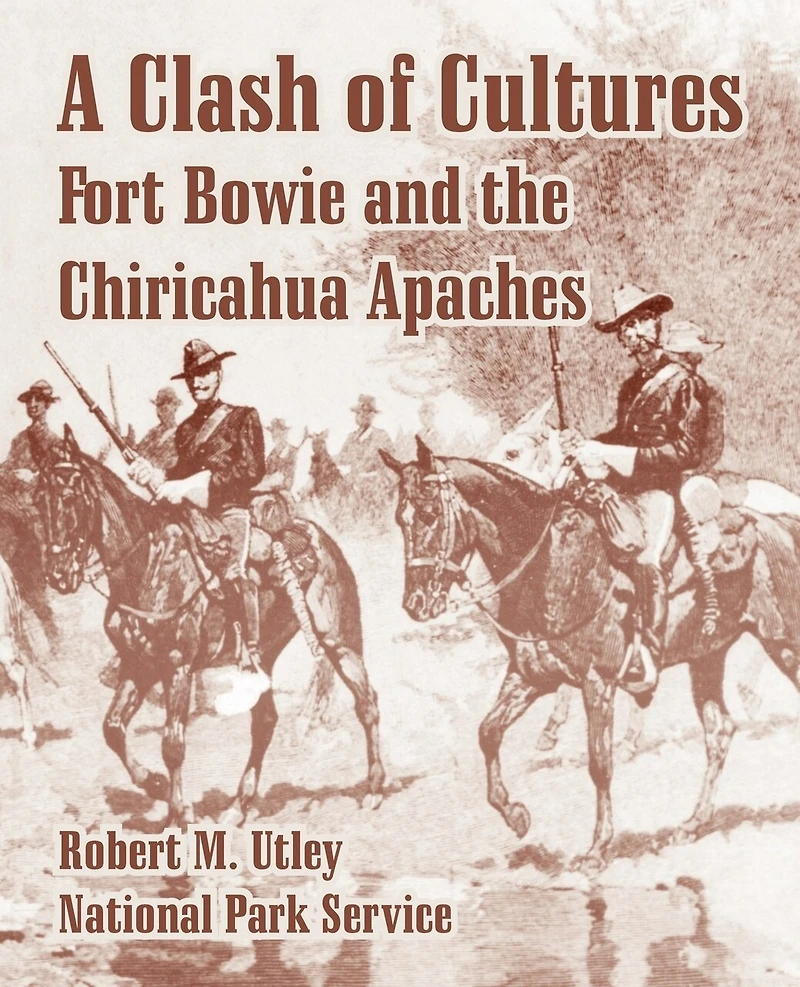
A Clash of Cultures: Fort Bowie and the Chiricahua Apaches in Brampton, ON
Current price: $27.88
Coles
A Clash of Cultures: Fort Bowie and the Chiricahua Apaches in Brampton, ON
Current price: $27.88
Loading Inventory...
Size: Paperback
*Product information and pricing may vary - to confirm current pricing, availability, shipping, and return information please contact Coles. In the event of a pricing discrepancy, the retailer's price will apply.
On September 8, 1886, soldiers and Indians gathered on the parade ground of a frontier post nestled amid cactus-studded hills. A cordon of blueclad troopers formed around a train of open wagons loaded with Indian families. As a military band drawn up at the base of the flagstaff played "Auld Lang Syne," the procession moved out of the fort and headed north. The post was Fort Bowie, Arizona, for a quarter of a century a lonely bastion in Apache Pass, the heart of Apacheria. The Indians were Geronimo and his band of Chiricahua Apaches, for more than a decade scourges of the southwestern frontier. Now the warfare had ended, and with a touch of musical irony the victors bade farewell as the vanquished were escorted to the railroad cars that would bear them eastward to an uncertain future. Today the gaunt ruins of Fort Bowie, set in an environment otherwise uncluttered by man's works, recall a dramatic and significant phase of the American past"Ythe struggle of a dynamic and aggressive people to conquer the wilderness, and the struggle of a proud and independent people to retain the wilderness and the way of life they had known.
On September 8, 1886, soldiers and Indians gathered on the parade ground of a frontier post nestled amid cactus-studded hills. A cordon of blueclad troopers formed around a train of open wagons loaded with Indian families. As a military band drawn up at the base of the flagstaff played "Auld Lang Syne," the procession moved out of the fort and headed north. The post was Fort Bowie, Arizona, for a quarter of a century a lonely bastion in Apache Pass, the heart of Apacheria. The Indians were Geronimo and his band of Chiricahua Apaches, for more than a decade scourges of the southwestern frontier. Now the warfare had ended, and with a touch of musical irony the victors bade farewell as the vanquished were escorted to the railroad cars that would bear them eastward to an uncertain future. Today the gaunt ruins of Fort Bowie, set in an environment otherwise uncluttered by man's works, recall a dramatic and significant phase of the American past"Ythe struggle of a dynamic and aggressive people to conquer the wilderness, and the struggle of a proud and independent people to retain the wilderness and the way of life they had known.
You May Also Like













Find at Bramalea City Centre in Brampton, ON
Visit at Bramalea City Centre in Brampton, ON