



Gifting Made Simple
Give the Gift of ChoiceClick below to purchase a Bramalea City Centre eGift Card that can be used at participating retailers at Bramalea City Centre.Purchase HereHome
a City on Lake: Urban Political Ecology and the Growth of Mexico
Coles
Loading Inventory...
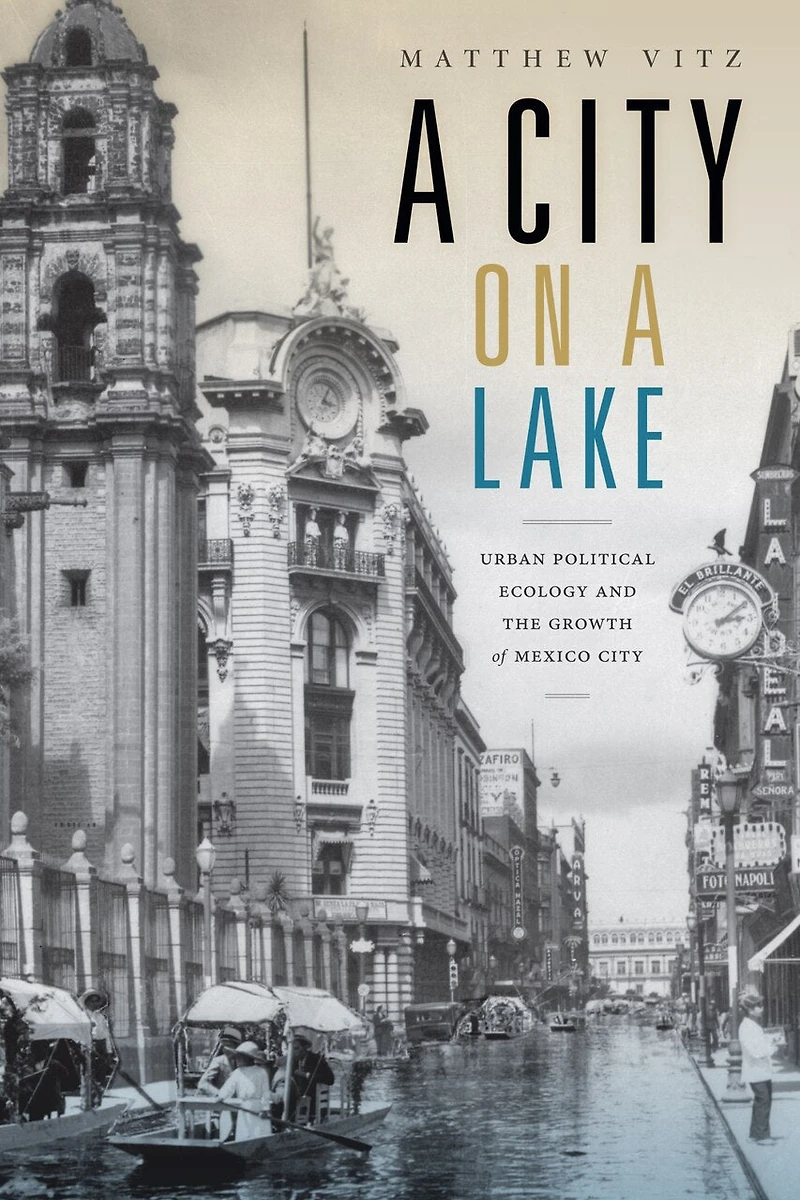
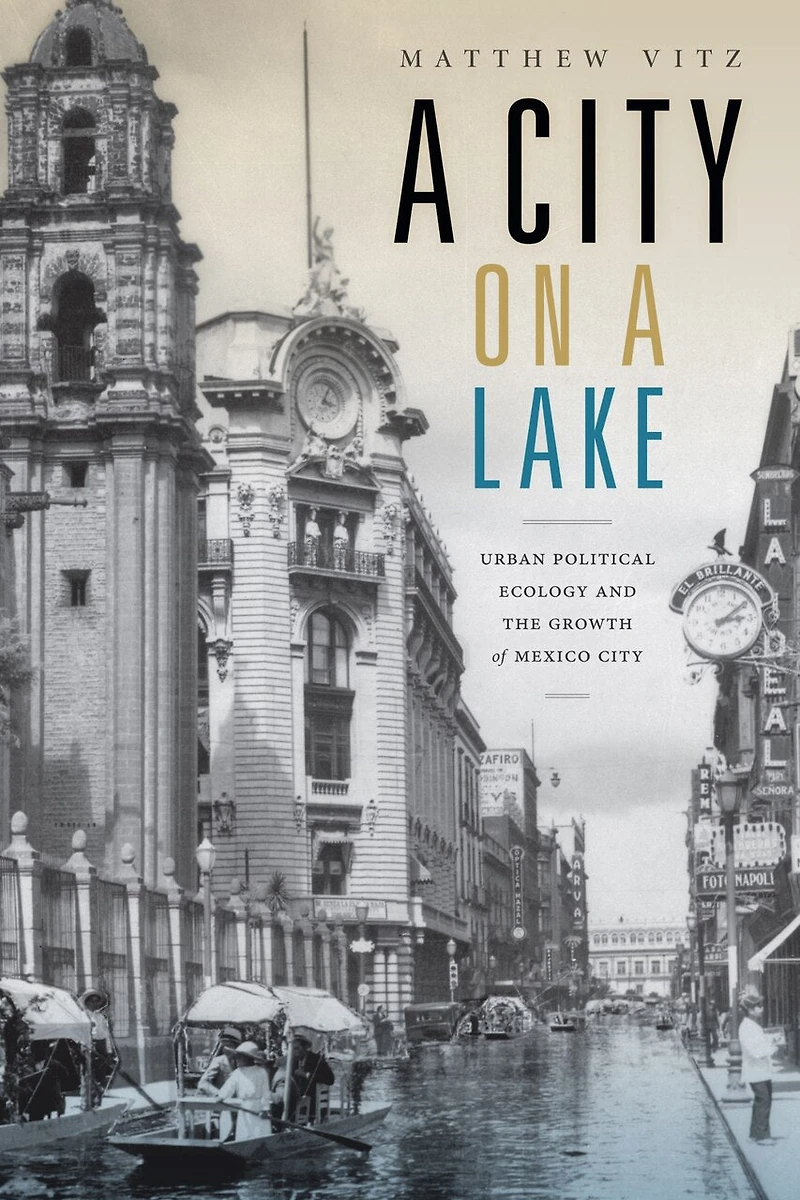
a City on Lake: Urban Political Ecology and the Growth of Mexico in Brampton, ON
Current price: $140.95
Coles
a City on Lake: Urban Political Ecology and the Growth of Mexico in Brampton, ON
Current price: $140.95
Loading Inventory...
Size: Hardcover
*Product information and pricing may vary - to confirm current pricing, availability, shipping, and return information please contact Coles. In the event of a pricing discrepancy, the retailer's price will apply.
In A City on a Lake Matthew Vitz tracks the environmental and political history of Mexico City and explains its transformation from a forested, water-rich environment into a smog-infested megacity plagued by environmental problems and social inequality. Vitz shows how Mexico City's unequal urbanization and environmental decline stemmed from numerous scientific and social disputes over water policy, housing, forestry, and sanitary engineering. From the prerevolutionary efforts to create a hygienic city supportive of capitalist growth, through revolutionary demands for a more democratic distribution of resources, to the mid-twentieth-century emergence of a technocratic bureaucracy that served the interests of urban elites, Mexico City's environmental history helps us better understand how urban power has been exercised, reproduced, and challenged throughout Latin America.
In A City on a Lake Matthew Vitz tracks the environmental and political history of Mexico City and explains its transformation from a forested, water-rich environment into a smog-infested megacity plagued by environmental problems and social inequality. Vitz shows how Mexico City's unequal urbanization and environmental decline stemmed from numerous scientific and social disputes over water policy, housing, forestry, and sanitary engineering. From the prerevolutionary efforts to create a hygienic city supportive of capitalist growth, through revolutionary demands for a more democratic distribution of resources, to the mid-twentieth-century emergence of a technocratic bureaucracy that served the interests of urban elites, Mexico City's environmental history helps us better understand how urban power has been exercised, reproduced, and challenged throughout Latin America.
You May Also Like








Find at Bramalea City Centre in Brampton, ON
Visit at Bramalea City Centre in Brampton, ON