



Gifting Made Simple
Give the Gift of ChoiceClick below to purchase a Bramalea City Centre eGift Card that can be used at participating retailers at Bramalea City Centre.Purchase HereHome
A Caribbean Enlightenment: Intellectual Life the British and French Colonial Worlds, 1750–1792
Coles
Loading Inventory...
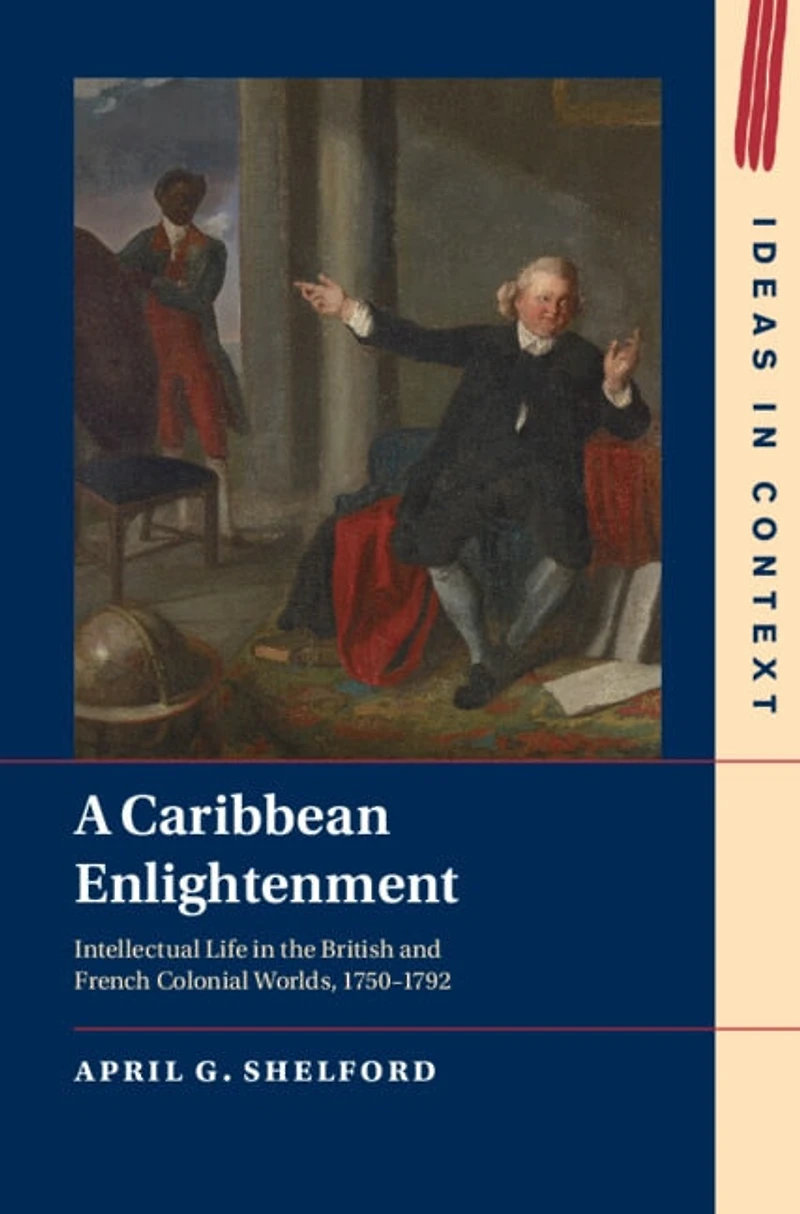
A Caribbean Enlightenment: Intellectual Life the British and French Colonial Worlds, 1750–1792 in Brampton, ON
Current price: $157.95
Coles
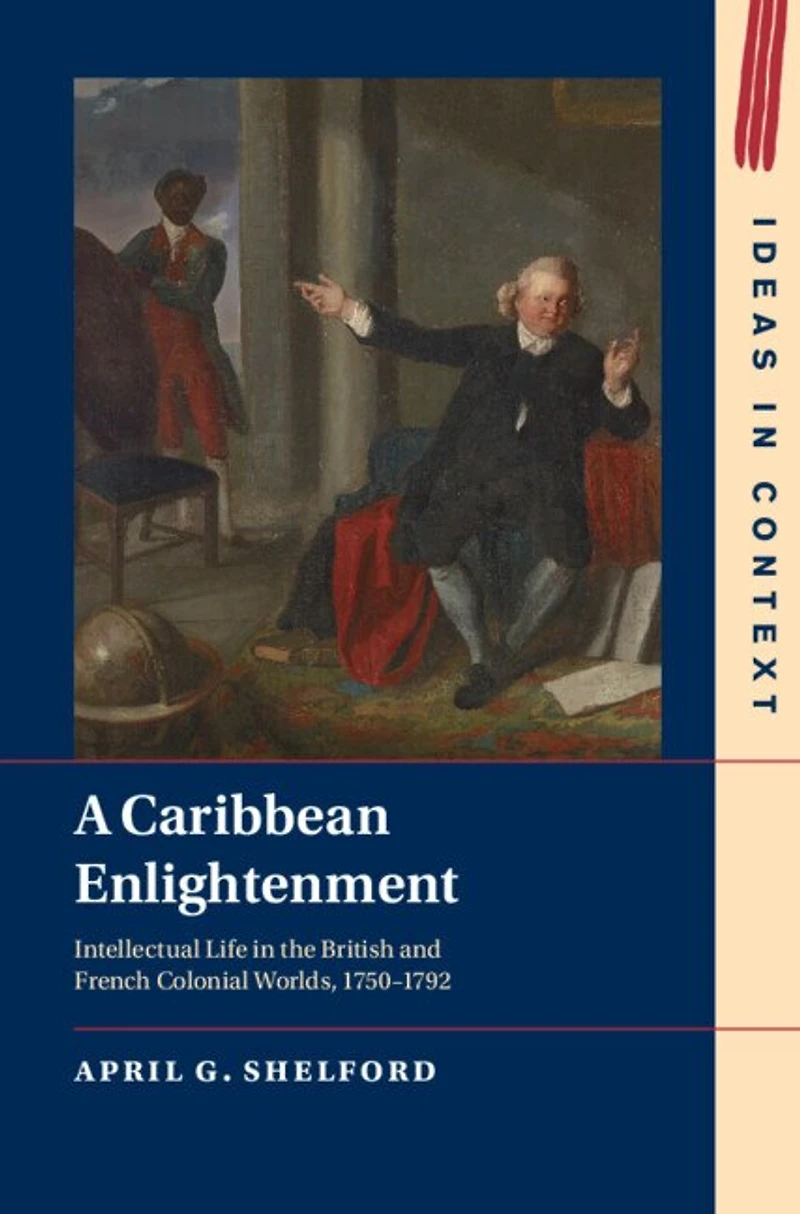
A Caribbean Enlightenment: Intellectual Life the British and French Colonial Worlds, 1750–1792 in Brampton, ON
Current price: $157.95
Loading Inventory...
Size: Hardcover
*Product information and pricing may vary - to confirm current pricing, availability, shipping, and return information please contact Coles. In the event of a pricing discrepancy, the retailer's price will apply.
Exploring the intersection of Enlightenment ideas and colonial realities amongst White, male colonists in the eighteenth-century French and British Caribbean, A Caribbean Enlightenment recovers a neglected aspect of the region's history. Physicians to planters, merchants to publishing entrepreneurs were as inspired by ideologies of utility and improvement as their metropolitan counterparts, and they adapted 'enlightened' ideas and social practices to understand their place in the Atlantic World. Colonists collected botanical specimens for visiting naturalists and books for their personal libraries. They founded periodicals that created arenas for the discussion and debate of current problems. They picked up the pen to complain about their relationship with the home country. And they read to make sense of everything from parenting to personal salvation, to their new societies and the enslaved Africans on whom their prosperity depended. Ultimately, becoming 'enlightened' was a colonial identity that rejected metropolitan stereotypes of Caribbean degeneracy while validating the power to enslave on a cultural basis.
Exploring the intersection of Enlightenment ideas and colonial realities amongst White, male colonists in the eighteenth-century French and British Caribbean, A Caribbean Enlightenment recovers a neglected aspect of the region's history. Physicians to planters, merchants to publishing entrepreneurs were as inspired by ideologies of utility and improvement as their metropolitan counterparts, and they adapted 'enlightened' ideas and social practices to understand their place in the Atlantic World. Colonists collected botanical specimens for visiting naturalists and books for their personal libraries. They founded periodicals that created arenas for the discussion and debate of current problems. They picked up the pen to complain about their relationship with the home country. And they read to make sense of everything from parenting to personal salvation, to their new societies and the enslaved Africans on whom their prosperity depended. Ultimately, becoming 'enlightened' was a colonial identity that rejected metropolitan stereotypes of Caribbean degeneracy while validating the power to enslave on a cultural basis.
You May Also Like
















Find at Bramalea City Centre in Brampton, ON
Visit at Bramalea City Centre in Brampton, ON