



Gifting Made Simple
Give the Gift of ChoiceClick below to purchase a Bramalea City Centre eGift Card that can be used at participating retailers at Bramalea City Centre.Purchase HereHome
A Brief History of the Dynasties of China
Coles
Loading Inventory...
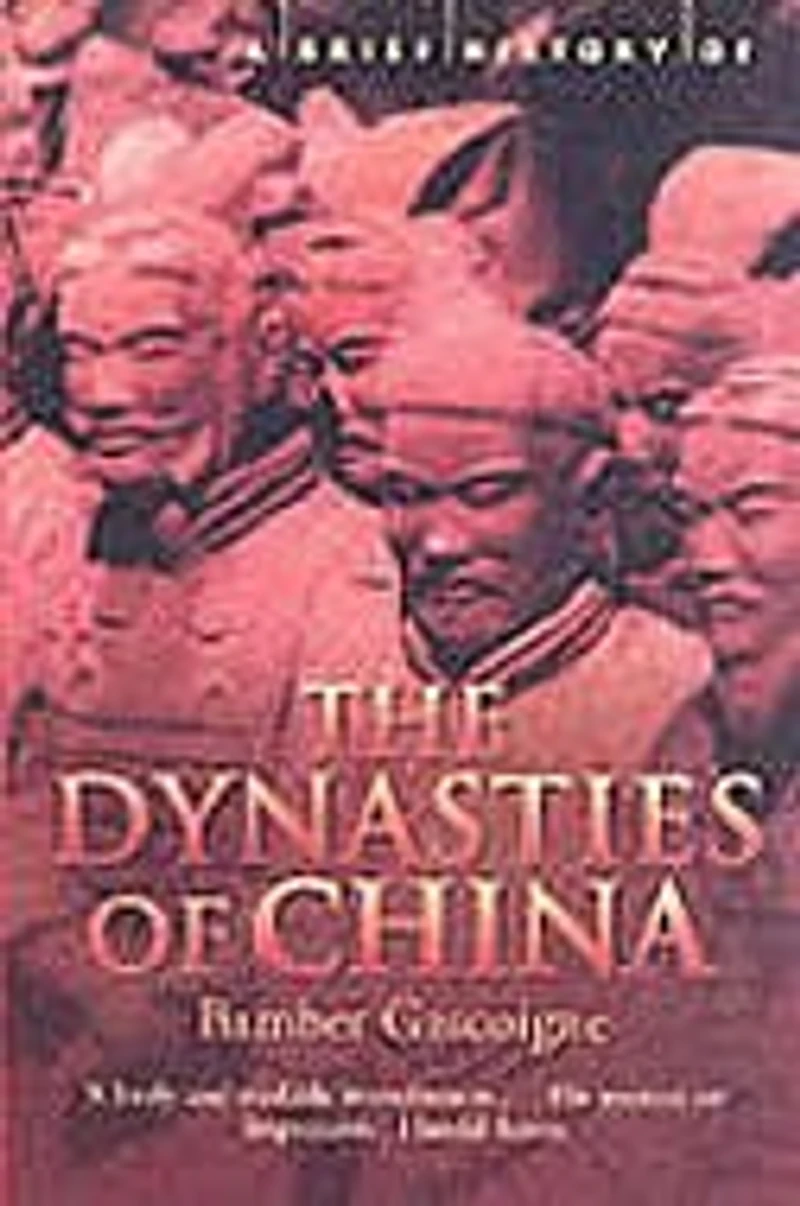
A Brief History of the Dynasties of China in Brampton, ON
Current price: $7.00
Coles
A Brief History of the Dynasties of China in Brampton, ON
Current price: $7.00
Loading Inventory...
Size: Paperback
*Product information and pricing may vary - to confirm current pricing, availability, shipping, and return information please contact Coles. In the event of a pricing discrepancy, the retailer's price will apply.
Although China's great empire lasted for longer than any other, no country has suffered so great an imbalance between the fame of its art and obscurity of its history. The names of the great dynasties are familiar, yet who can actually locate a T'ang horse or a Ming vase in its social or cultural context? By focusing on the key colourful characters of the eight major dynasties, Bamber Gascoigne brings to life 3500 years of Chinese civilization. His bird's-eye view starts on the borders of myth. It moves swiftly on to the greatest achievements of language and thought, the cultural treasures and imperial palaces, wars won and lands lost to the Mongols, finally to arrive at the 1912 Revolution, which contained within it the seeds of Communism that ensured the overthrow of the last emperor. Via this portrait of an empire and its peoples he has opened the door to a world for too long inaccessible to the West.
Although China's great empire lasted for longer than any other, no country has suffered so great an imbalance between the fame of its art and obscurity of its history. The names of the great dynasties are familiar, yet who can actually locate a T'ang horse or a Ming vase in its social or cultural context? By focusing on the key colourful characters of the eight major dynasties, Bamber Gascoigne brings to life 3500 years of Chinese civilization. His bird's-eye view starts on the borders of myth. It moves swiftly on to the greatest achievements of language and thought, the cultural treasures and imperial palaces, wars won and lands lost to the Mongols, finally to arrive at the 1912 Revolution, which contained within it the seeds of Communism that ensured the overthrow of the last emperor. Via this portrait of an empire and its peoples he has opened the door to a world for too long inaccessible to the West.
You May Also Like
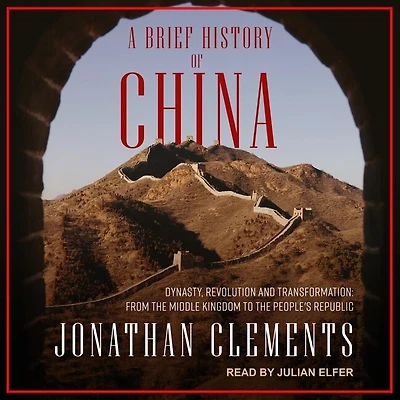








Find at Bramalea City Centre in Brampton, ON
Visit at Bramalea City Centre in Brampton, ON