



Gifting Made Simple
Give the Gift of ChoiceClick below to purchase a Bramalea City Centre eGift Card that can be used at participating retailers at Bramalea City Centre.Purchase HereHome
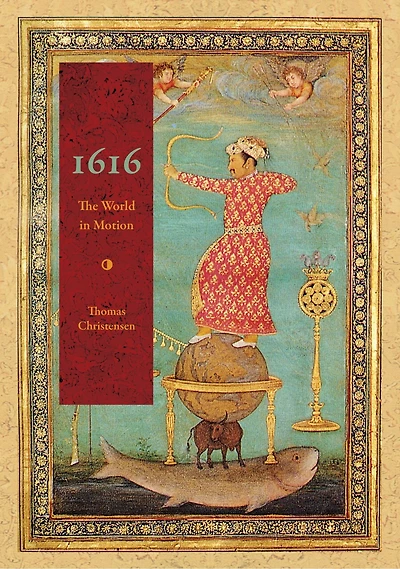
1616: Shakespeare And Tang Xianzu's China
Coles
Loading Inventory...
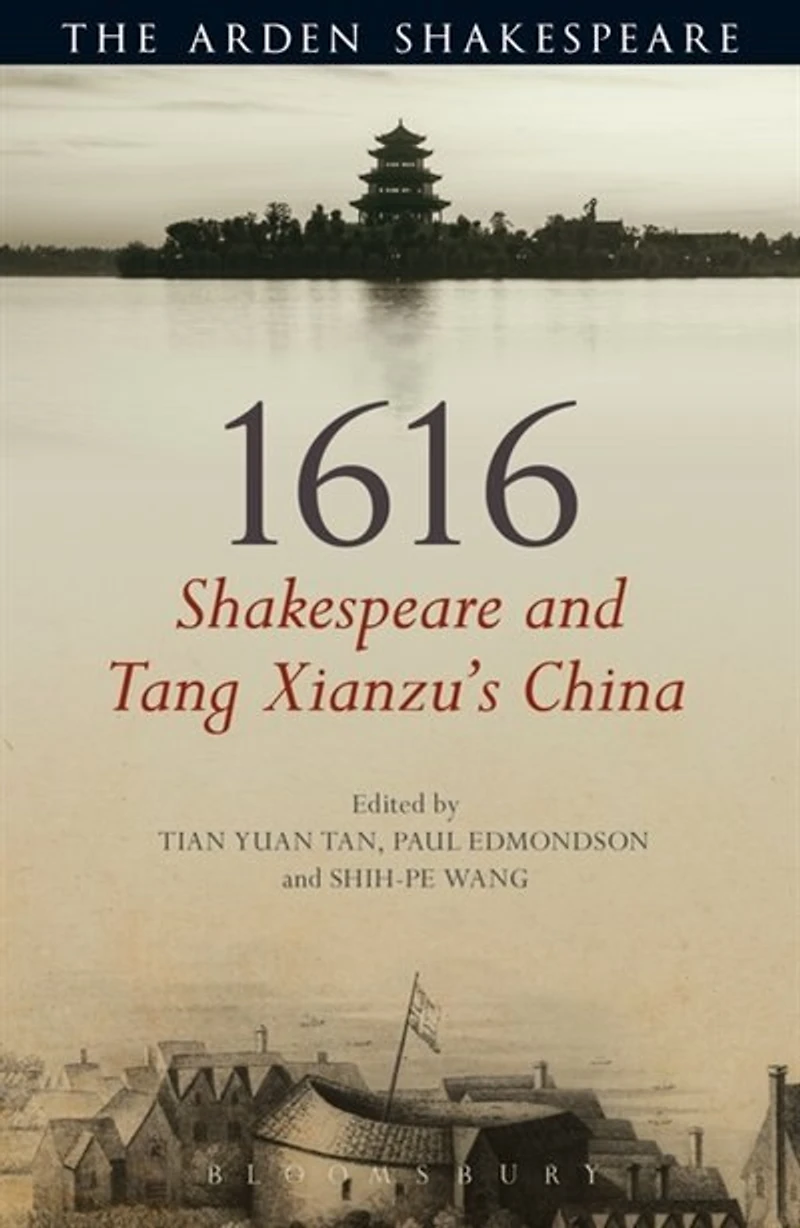
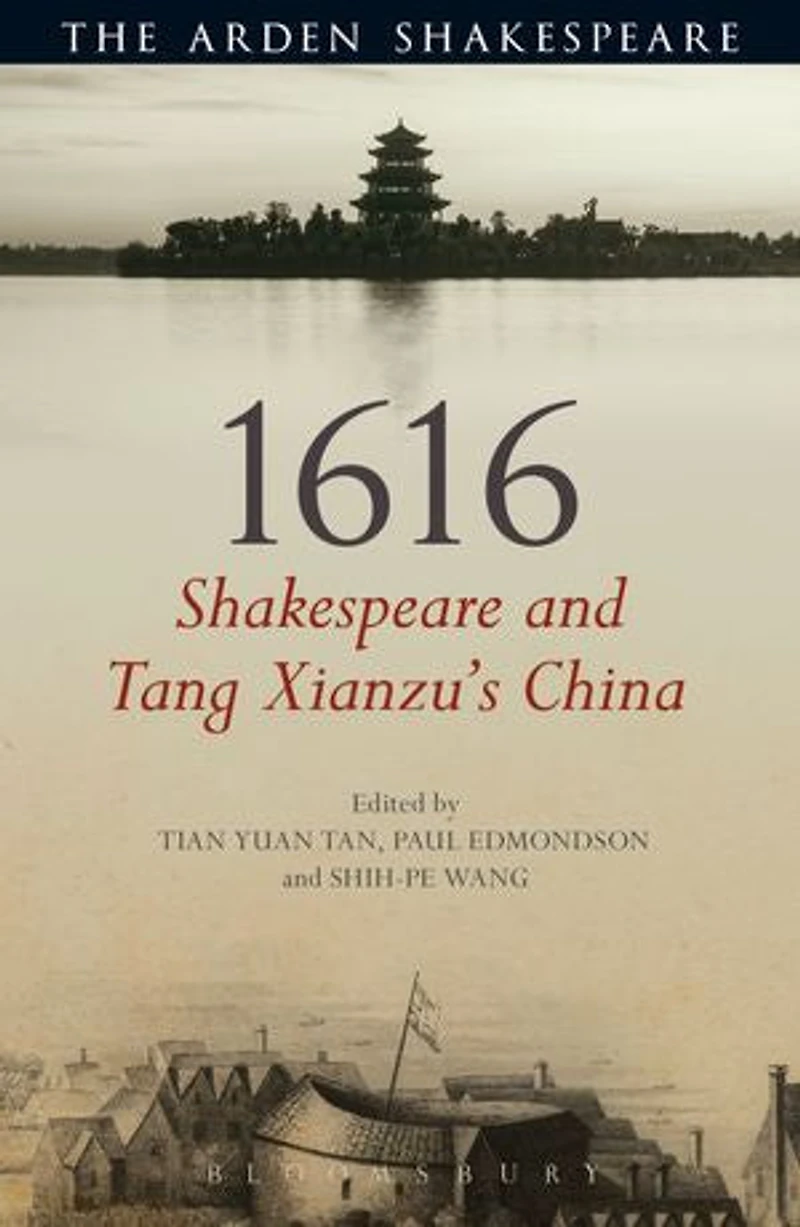
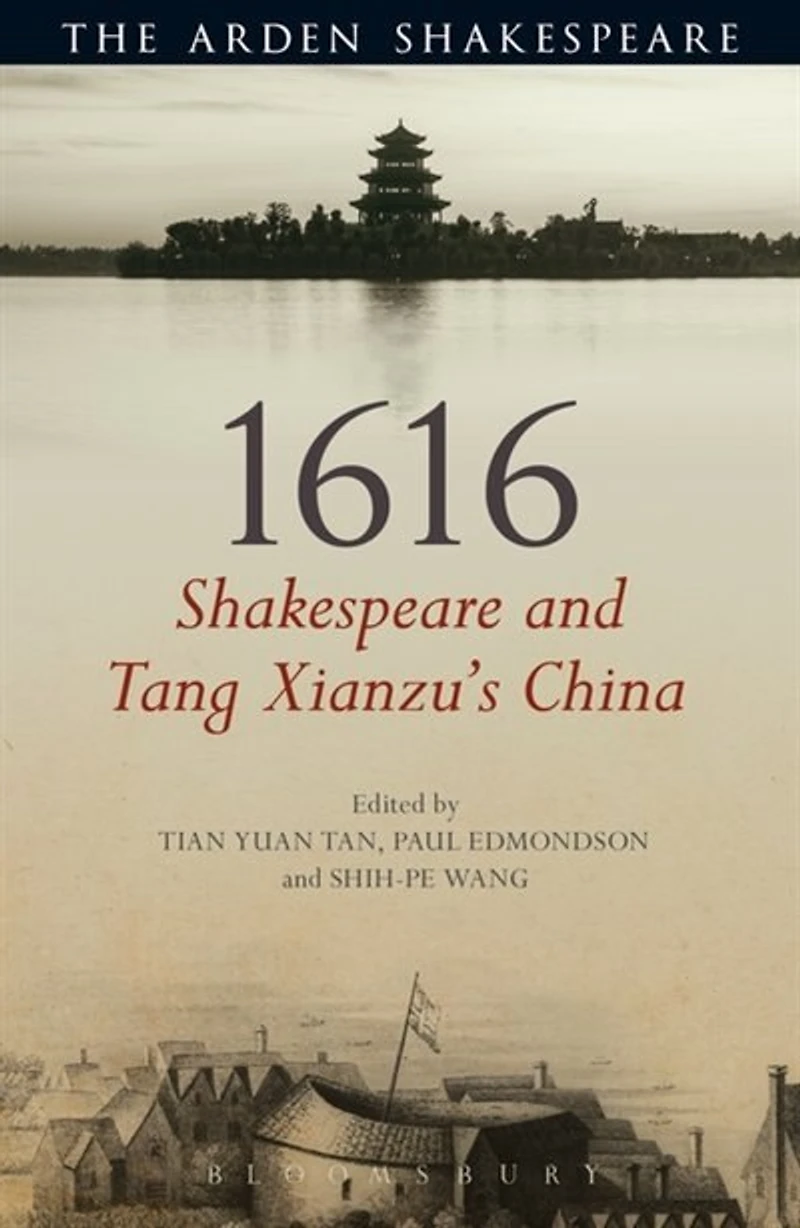
1616: Shakespeare And Tang Xianzu's China in Brampton, ON
Current price: $255.50
Coles
1616: Shakespeare And Tang Xianzu's China in Brampton, ON
Current price: $255.50
Loading Inventory...
Size: Hardcover
*Product information and pricing may vary - to confirm current pricing, availability, shipping, and return information please contact Coles. In the event of a pricing discrepancy, the retailer's price will apply.
The year is 1616. William Shakespeare has just died and the world of the London theatres is mourning his loss. 1616 also saw the death of the famous Chinese playwright Tang Xianzu. Four hundred years on and Shakespeare is now an important meeting place for Anglo-Chinese cultural dialogue in the field of drama studies. In June 2014 (the 450th anniversary of Shakespeare's birth), SOAS, The Shakespeare Birthplace Trust and the National Chung Cheng University of Taiwan gathered 20 scholars together to reflect on the theatrical practice of four hundred years ago and to ask: what does such an exploration mean culturally for us today? This ground-breaking study offers fresh insights into the respective theatrical worlds of Shakespeare and Tang Xianzu and asks how the brave new theatres of 1616 may have a vital role to play in the intercultural dialogue of our own time.
The year is 1616. William Shakespeare has just died and the world of the London theatres is mourning his loss. 1616 also saw the death of the famous Chinese playwright Tang Xianzu. Four hundred years on and Shakespeare is now an important meeting place for Anglo-Chinese cultural dialogue in the field of drama studies. In June 2014 (the 450th anniversary of Shakespeare's birth), SOAS, The Shakespeare Birthplace Trust and the National Chung Cheng University of Taiwan gathered 20 scholars together to reflect on the theatrical practice of four hundred years ago and to ask: what does such an exploration mean culturally for us today? This ground-breaking study offers fresh insights into the respective theatrical worlds of Shakespeare and Tang Xianzu and asks how the brave new theatres of 1616 may have a vital role to play in the intercultural dialogue of our own time.
You May Also Like









Find at Bramalea City Centre in Brampton, ON
Visit at Bramalea City Centre in Brampton, ON