



Gifting Made Simple
Give the Gift of ChoiceClick below to purchase a Bramalea City Centre eGift Card that can be used at participating retailers at Bramalea City Centre.Purchase HereHome
13 Sharks: the Careers of a Series Small Royal Navy Ships, from Glorious Revolution to D-Day
Coles
Loading Inventory...
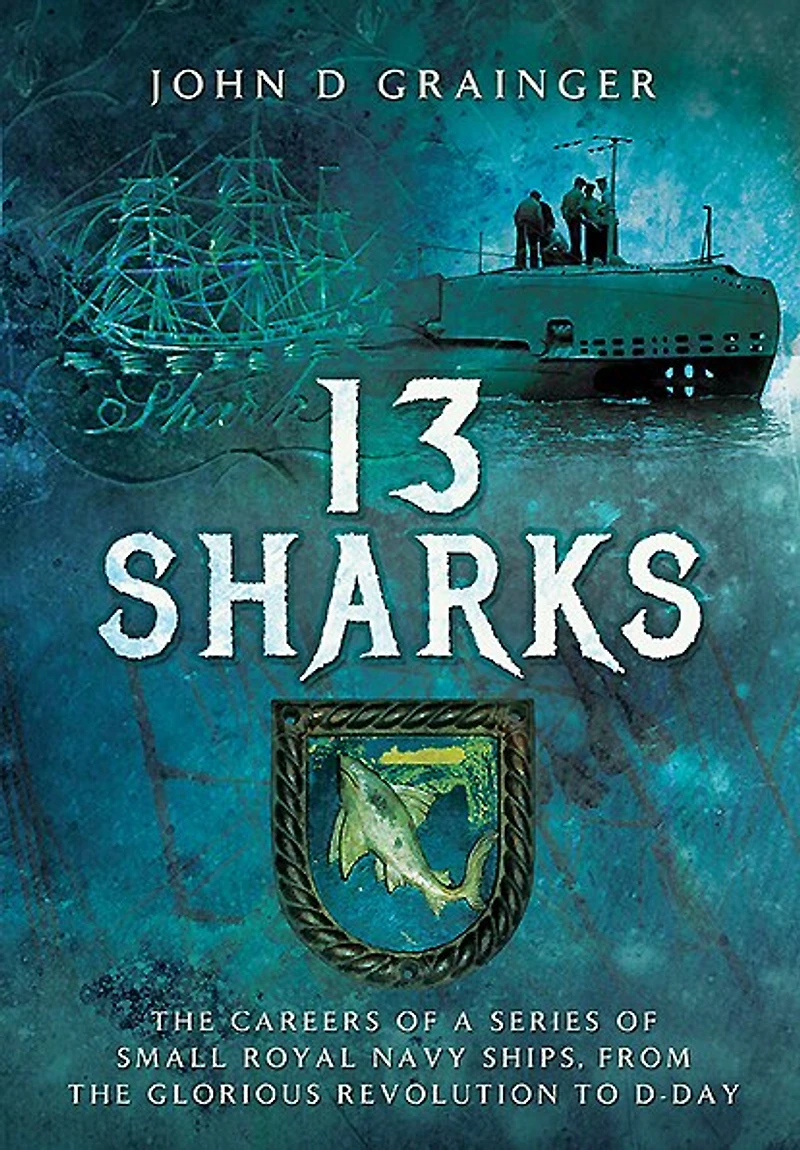
13 Sharks: the Careers of a Series Small Royal Navy Ships, from Glorious Revolution to D-Day in Brampton, ON
Current price: $55.95
Coles
13 Sharks: the Careers of a Series Small Royal Navy Ships, from Glorious Revolution to D-Day in Brampton, ON
Current price: $55.95
Loading Inventory...
Size: Hardcover
*Product information and pricing may vary - to confirm current pricing, availability, shipping, and return information please contact Coles. In the event of a pricing discrepancy, the retailer's price will apply.
John D Grainger charts the careers of the thirteen vessels that have served the Royal Navy under the name HMS Shark. Despite the ferocious name, they have all been relatively small vessels including one brigantine, five sloops, one Sixth Rate, a gunvessel, four destroyers and a submarine. Collectively they therefore give a good representation of the various roles of these types, which receive far less attention than larger, more glamorous ships. Furthermore, as the first entered service in 1699 and the last was sunk in 1944 (having the dubious distinction of being the only Allied vessel lost on D-Day), they illustrate the changes and continuities in the Royal Navy and war at sea across almost 250 years. In each case the author considers the origin of the ship, the purpose for which it was designed and employed, its captains and where possible its crew, as well as the activities of the ship itself and its final fate; in addition background information of a general nature is included as a necessary context for those actions.
John D Grainger charts the careers of the thirteen vessels that have served the Royal Navy under the name HMS Shark. Despite the ferocious name, they have all been relatively small vessels including one brigantine, five sloops, one Sixth Rate, a gunvessel, four destroyers and a submarine. Collectively they therefore give a good representation of the various roles of these types, which receive far less attention than larger, more glamorous ships. Furthermore, as the first entered service in 1699 and the last was sunk in 1944 (having the dubious distinction of being the only Allied vessel lost on D-Day), they illustrate the changes and continuities in the Royal Navy and war at sea across almost 250 years. In each case the author considers the origin of the ship, the purpose for which it was designed and employed, its captains and where possible its crew, as well as the activities of the ship itself and its final fate; in addition background information of a general nature is included as a necessary context for those actions.
You May Also Like


















Find at Bramalea City Centre in Brampton, ON
Visit at Bramalea City Centre in Brampton, ON